
This is the first entry on my B-List. It’s not a typical top 10 or an A-list; it’s a list of the travel experiences I’ve found the most interesting, impactful and memorable, and that might not make a typical top 10 list but, in my opinion, are some of the best travel experiences I’ve had. I’m sharing them to inspire you to go to places and do things most people skip.
Almost everyone plans Nepal around one thing: a trek in the Himalayas. The trek alone takes 10 to 14 days, depending on the route, and it’s honestly silly to fly all that way and only do the hiking. So plan for longer. I recommend at least three weeks. You need a few days to adjust to the climate and pick up any last-minute gear before the hike, and time afterwards for gift shopping. Add a few days to explore Kathmandu and, in my opinion, a few days to rest by the lake in Pokhara after the trek. Throw in some easily accessible community involvement and bam, three weeks is gone.
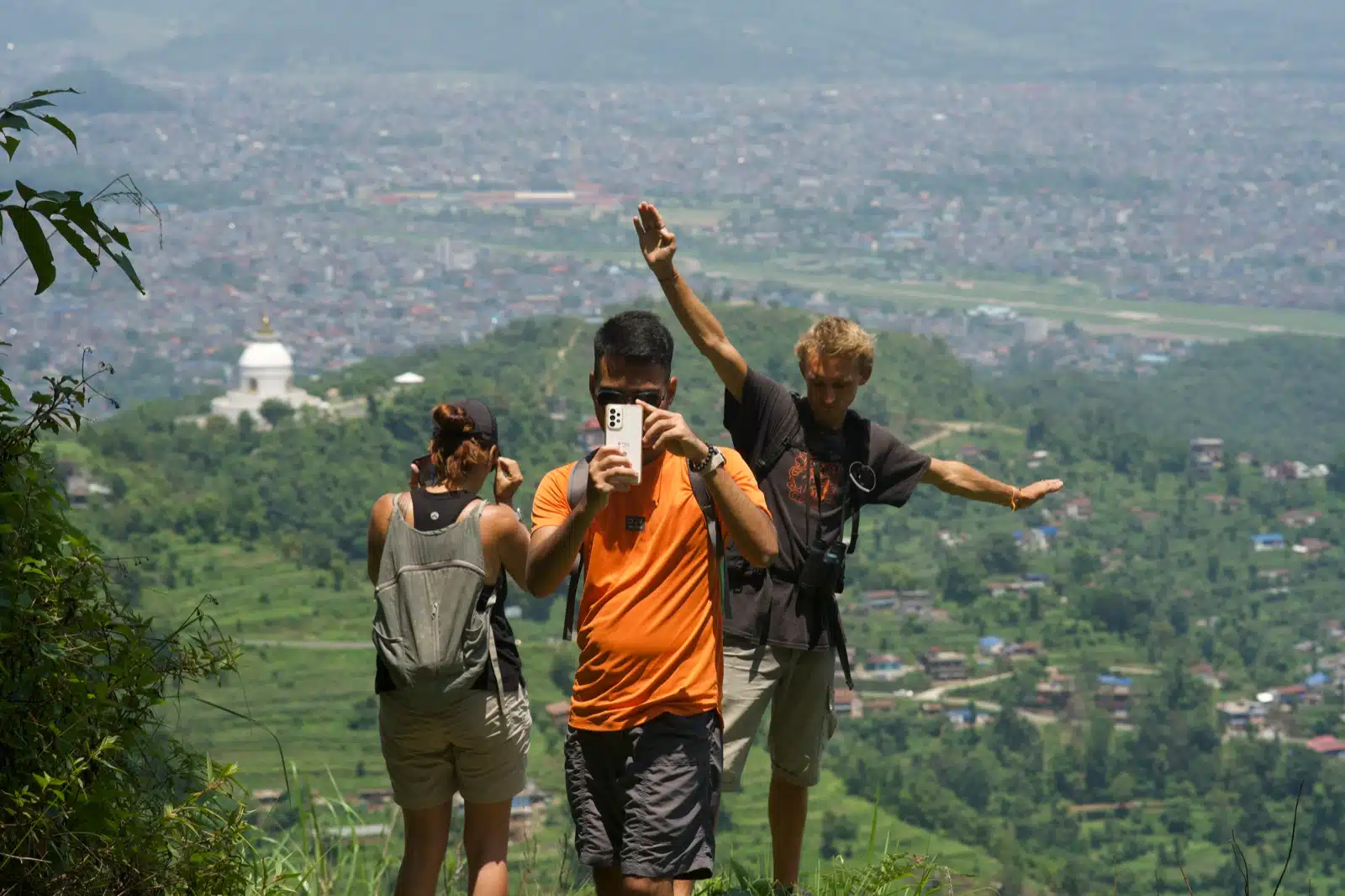
If you’re on a sabbatical, though, you can slow it down. One to two months in Nepal gives you room for the trek and everything most visitors fly straight over: rhinos in the jungle, festivals that take over whole cities, the birthplace of the Buddha, ten-day silent retreats, Tibetan villages and some of the best birding in Asia. And the tourist visa allows up to 150 days a year, so spending a good chunk of time here is completely possible.
My base: two months in Pokhara
I lived in Pokhara for two months, plus a week in Kathmandu at the end. I stayed at a yoga school in the hills above the city that was running a pop-up coliving programme, so I got to do yoga, take classes, live up in the hills and still be part of everyday life in the city. There were other digital nomads around too, so I always had people to hang out and work with.
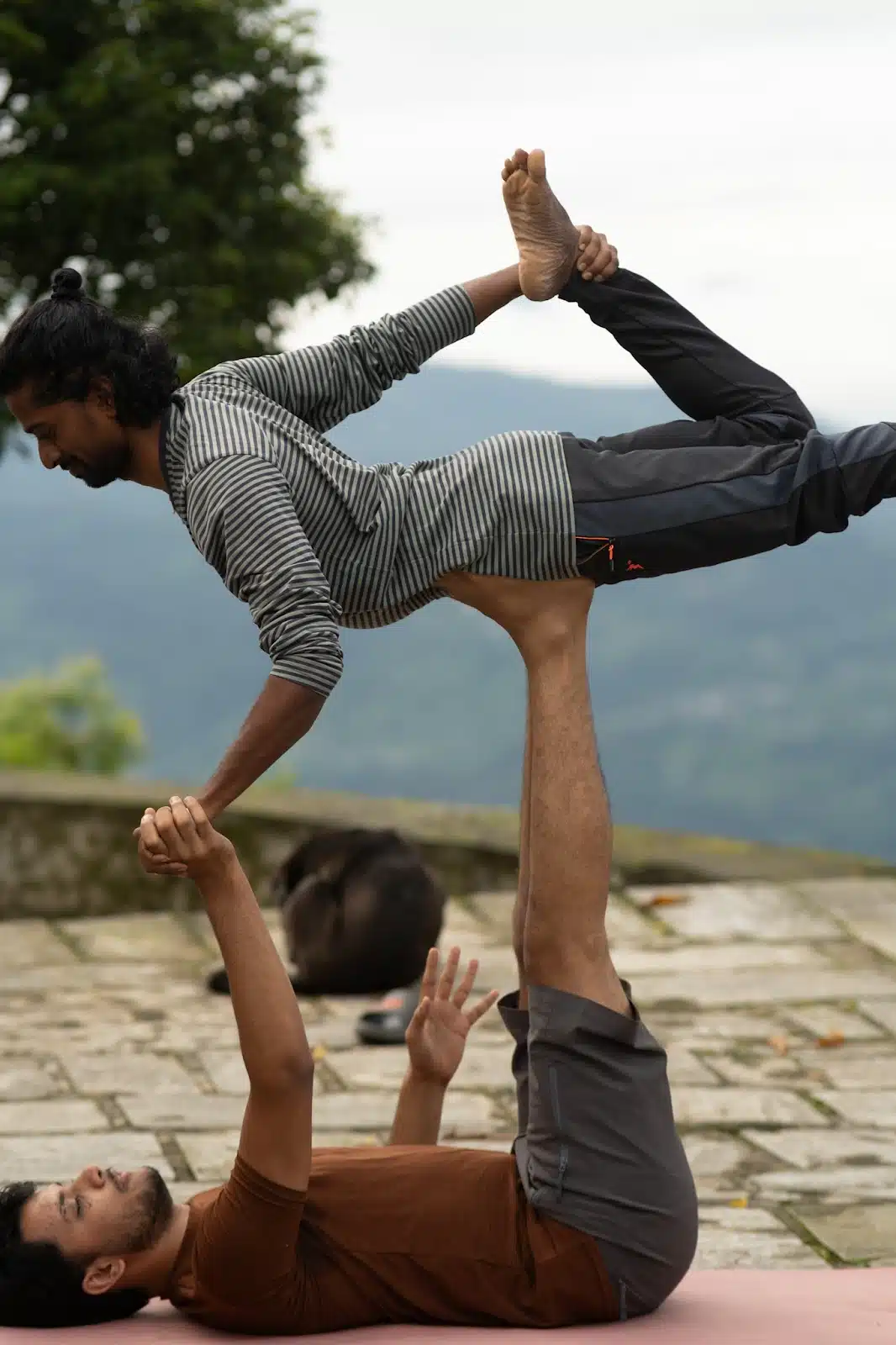
Pokhara Yoga School is the one I have a close connection with. I’ve sent a lot of people to Nepal now, and most of them have stayed with them for at least a couple of nights.

From Pokhara I hiked the Mardi Himal trek. It starts right outside the city, usually takes four to seven days, and climbs to a viewpoint at about 4,200 m, with an optional push to Mardi Himal Base Camp at about 4,500 m.
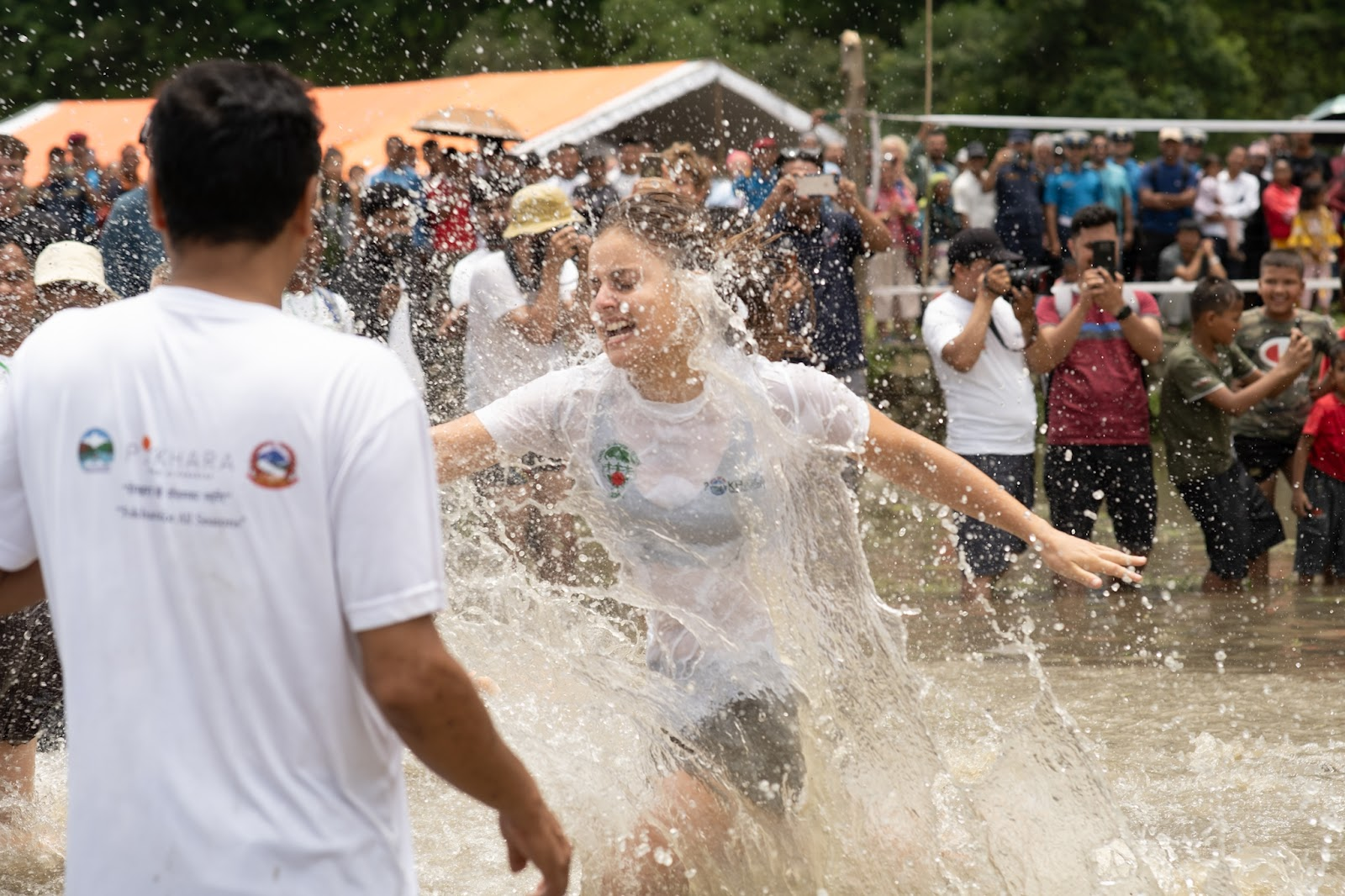
I was also there for National Paddy Day (Asar 15, late June), when Nepal celebrates the start of rice planting with songs, mud games and tug of war in the paddies. I loved how welcoming the town was. It didn’t matter if you were a local or a foreigner: there were free buses from town, the food was free, and a whole welcoming committee was handing out traditional necklaces. It was such a wholesome event, and everyone walked away soaked, covered in mud and smiling.
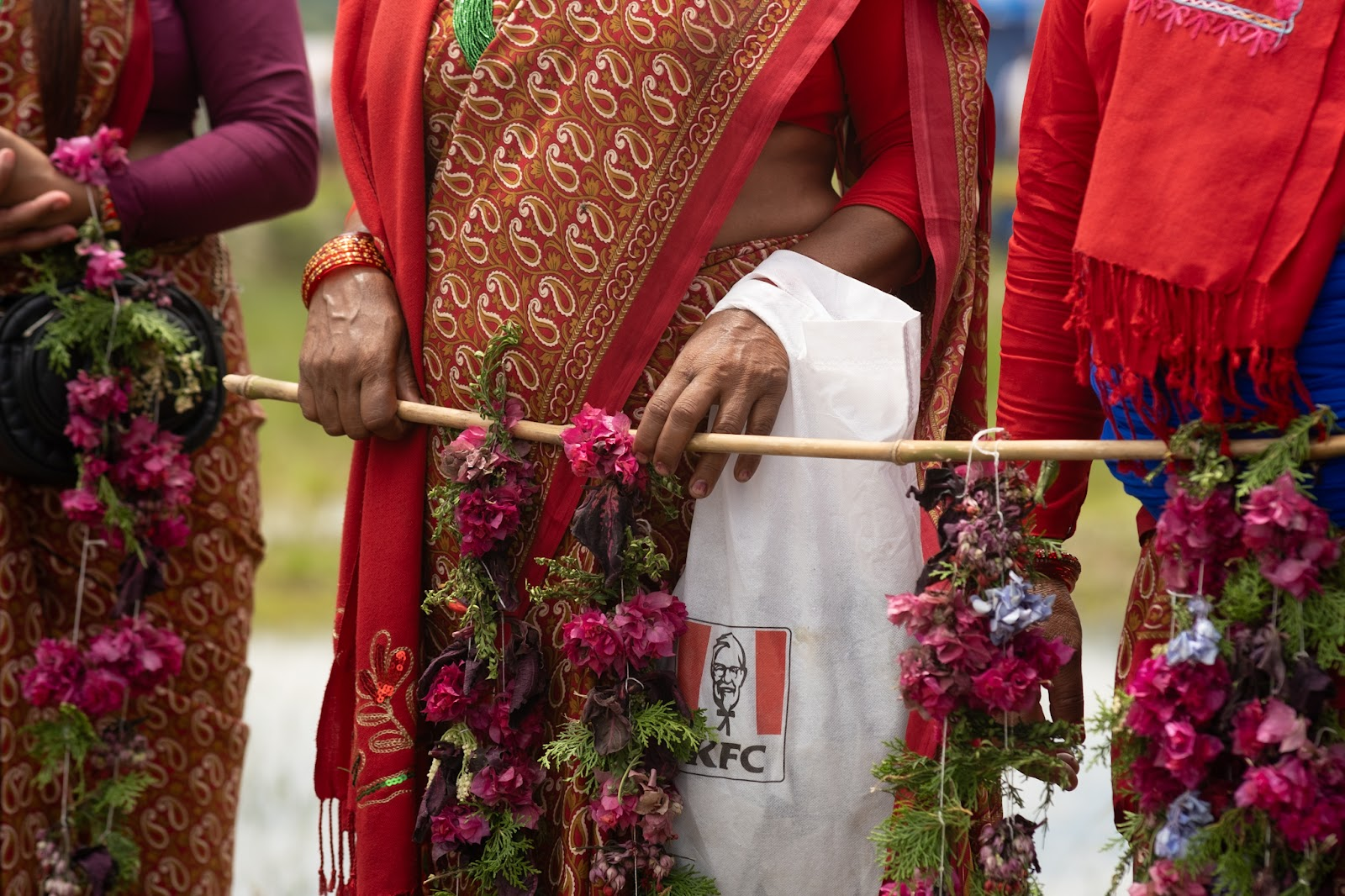
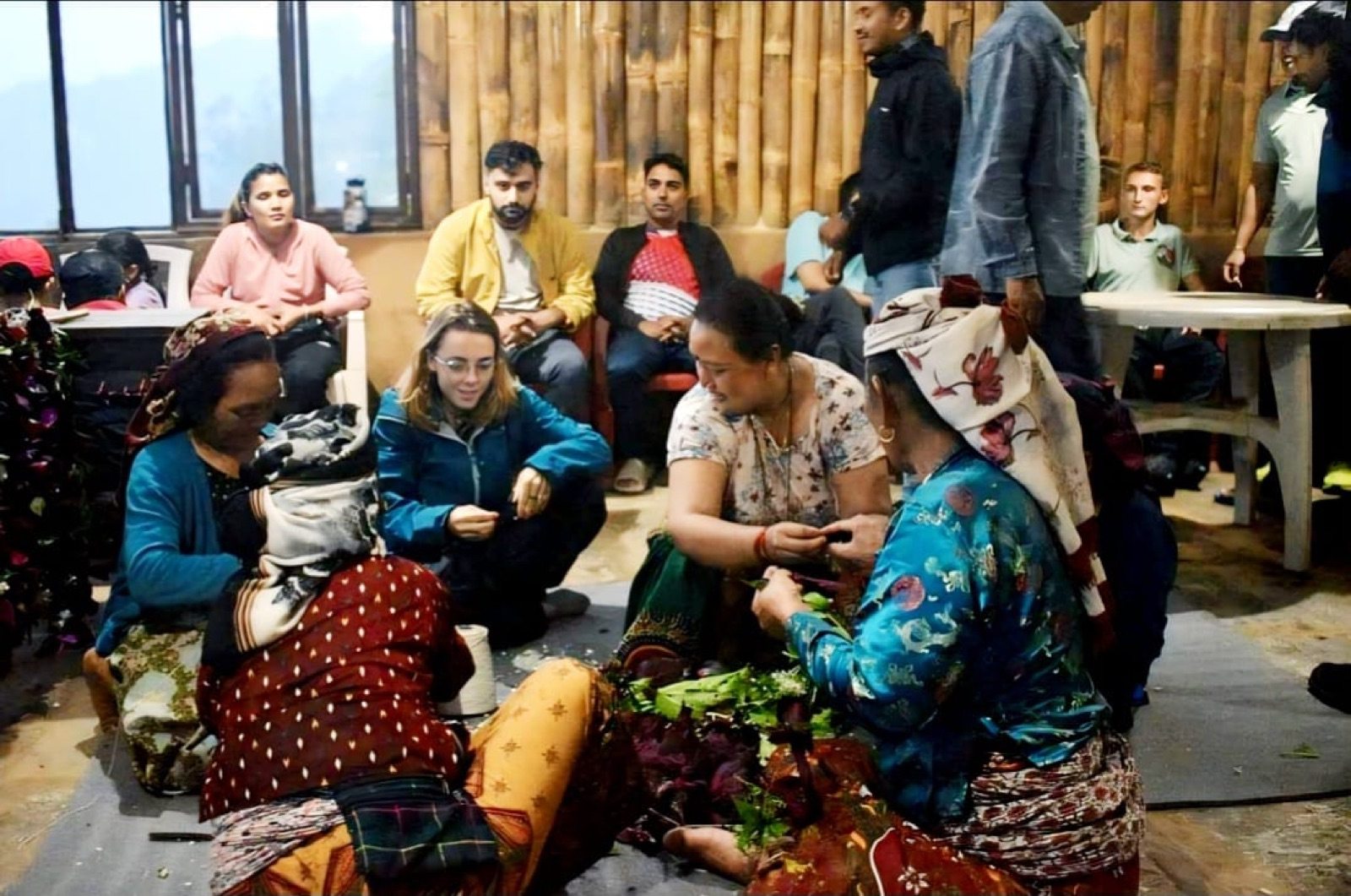
I also went on an overnight birding trip with the Pokhara Bird Society, which was so much fun and included learning to make garlands. It’s one of the many experiences with local people that made me fall in love with Nepal.
And I took a trip south to Chitwan National Park, which is where the rhinos come in.
More ways to experience Nepal
I haven’t done everything on this list. I’m including it all so you can see how much there is to do in Nepal beyond the mountains.
Wildlife safaris
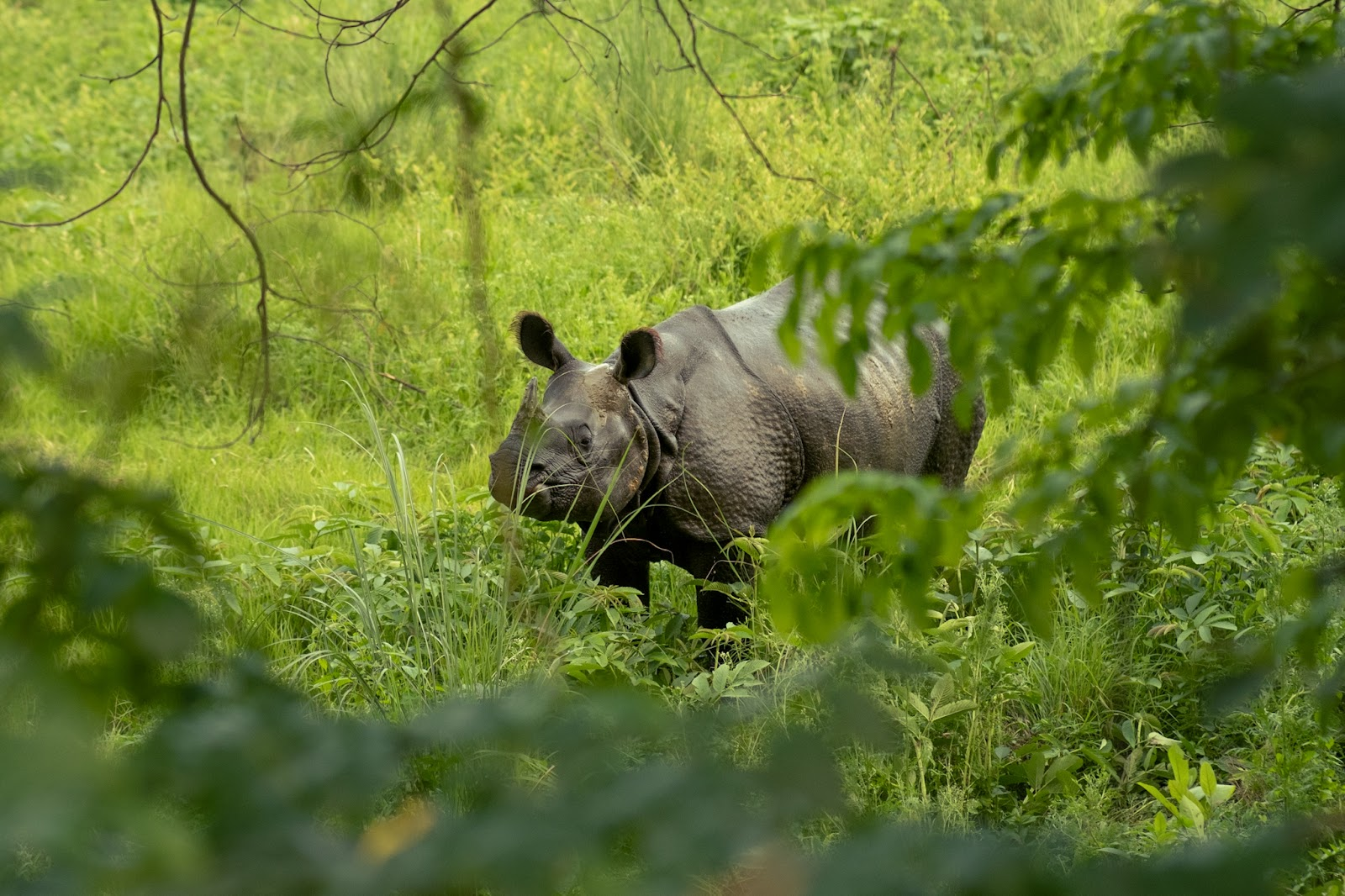
Chitwan National Park is the best place in Nepal to see the greater one-horned rhino. And sometimes you don’t even need to go into the park.
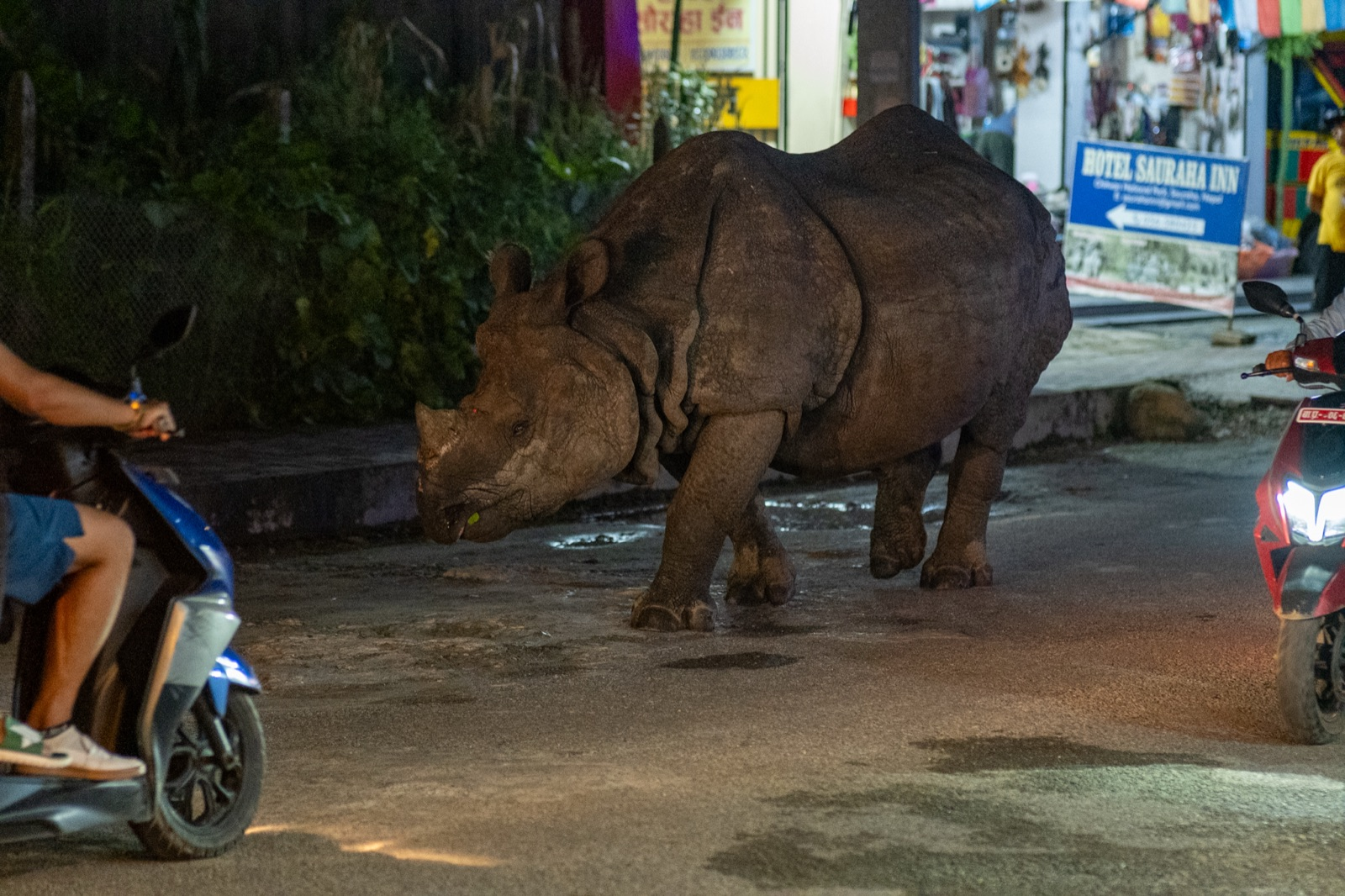
One night in Sauraha, the town on the park’s northern edge, we were inside watching a Tharu cultural dance performance when our guide ran down to tell us there was a rhino in the street. It was such a surreal experience, especially since I’d never seen a rhino before, and it was pretty shocking to see one just walking down the road. I was definitely nervous, because I had no idea how aggressive rhinos are. Our guide told us this one lives on the edge of town by choice; they think he’s gotten old and too lazy to fight for territory or go looking for food. The rhinos we met in the wild were a lot more aggressive, so this one must just be used to the noise and the people, because he hasn’t caused any issues yet. It was very funny watching him munch on a bush.
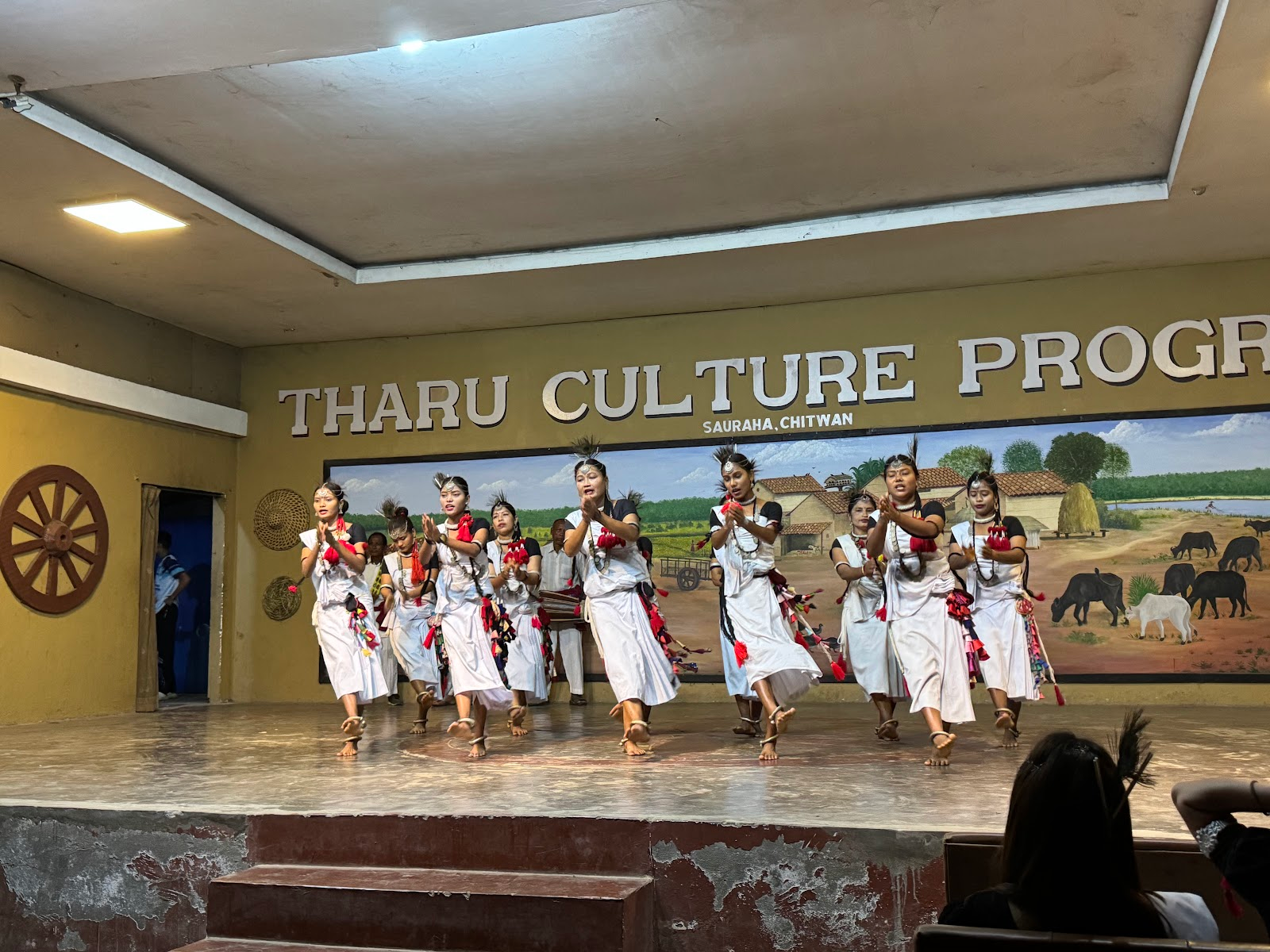
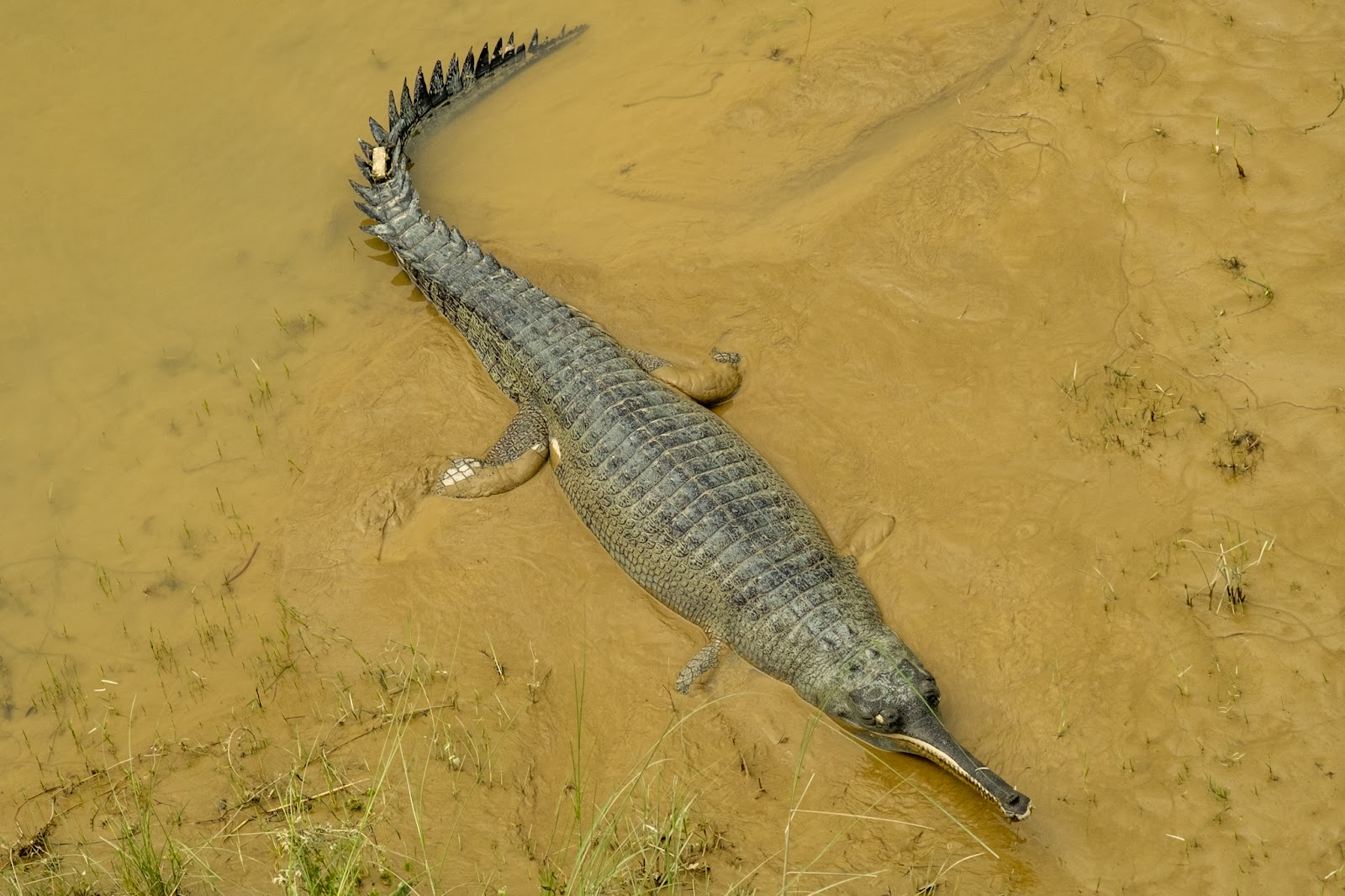
Rhinos walk into town because there are so many more of them now. In the 1950s, a DDT programme largely wiped out malaria in the lowlands, families moved down from the hills to farm, and about 70% of the Chitwan valley’s forest was cleared. Chitwan went from an estimated 800 rhinos in 1950 to around 100 by 1968. The park was created in 1973, and by the last count, in 2021, Nepal had 752. Chitwan also has jeep and walking safaris with local guides, gharials (a critically endangered fish-eating crocodile), and evening Tharu dance shows in Sauraha.
Bardiya National Park, in the far west, is quieter and harder to reach. It’s tiger country: Nepal’s 2026 census counted 429 wild tigers, 112 of them in Bardiya. It’s on my radar.
- Good for: adventure
- Time: 3–4 days per park
- Getting there: Chitwan is a drive from Kathmandu or Pokhara, or a short flight from Kathmandu to Bharatpur. Bardiya is a long drive or a flight to Nepalgunj.
Birding
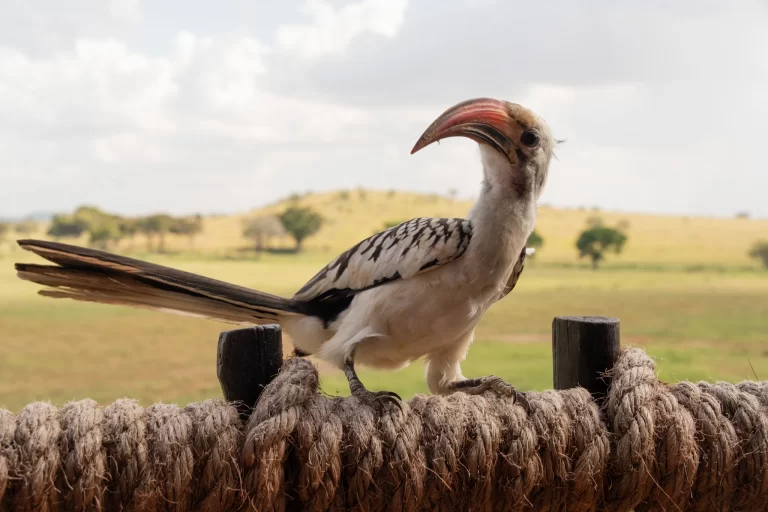
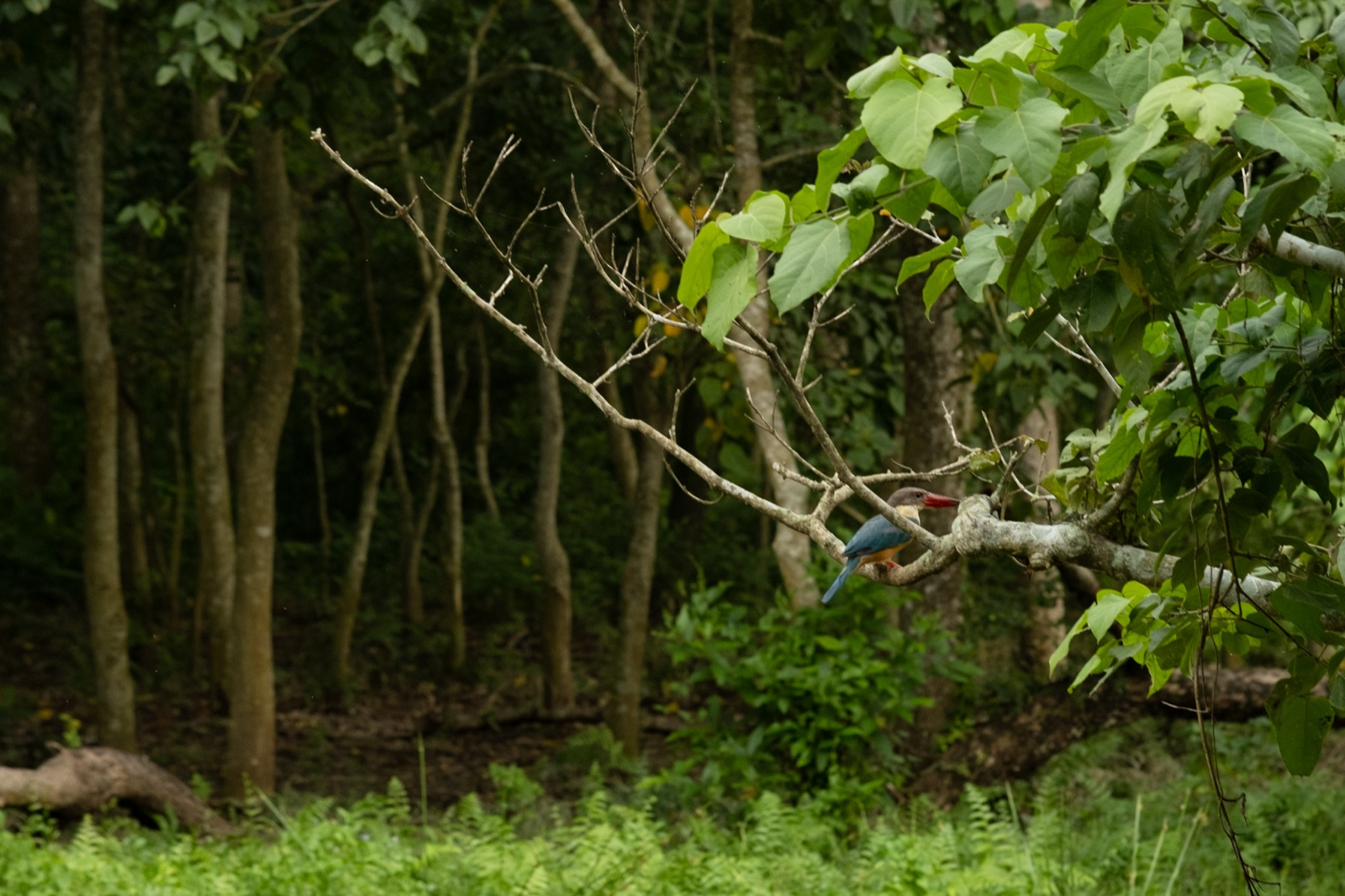
Nepal has about 890 bird species on record, and more than 500 have been seen in Chitwan alone. Around Pokhara, the Pokhara Bird Society, a non-profit founded in 2017, is a great way in. Their overnight trip was a highlight of my time there. Koshi Tappu Wildlife Reserve, a wetland in the far east, is known for waterbirds, especially migratory species in winter.
- Good for: learning something new, rest
- When: winter for migratory birds
Festivals
If you have one to two months, it’s worth planning around a festival.
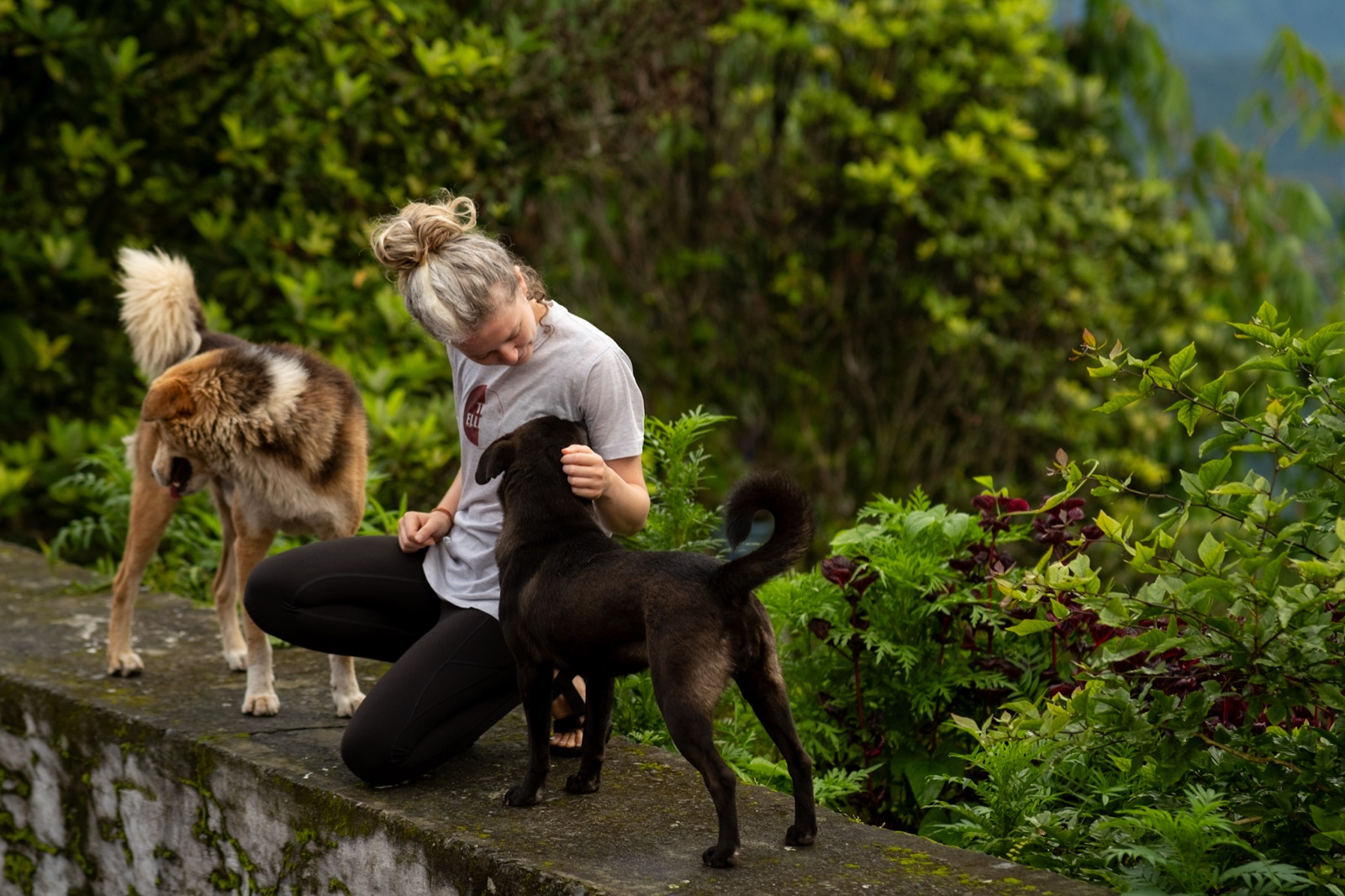
The one visitors love most is Kukur Tihar. Tihar, the festival of lights in October or November, dedicates one day to dogs: they’re honoured with marigold garlands, a red tika on the forehead, and food. Street dogs included.
- Dashain (September–October): Nepal’s biggest festival, about two weeks long.
- Indra Jatra (late summer): a Kathmandu festival with a chariot procession of the Kumari, the city’s living goddess.
- National Paddy Day (late June): rice planting, mud games and tug of war.
- Tiji (May): a three-day Tibetan Buddhist festival in Lo Manthang, Upper Mustang.
- Nomad Basecamp Nepal (September, Pokhara): a yearly gathering for digital nomads, founders and remote workers, with talks, music, wellness and adventure programmes. A Kathmandu edition is planned for March 2027.
Festival dates follow the lunar calendar and change every year, so check them before you book.
Pilgrimage
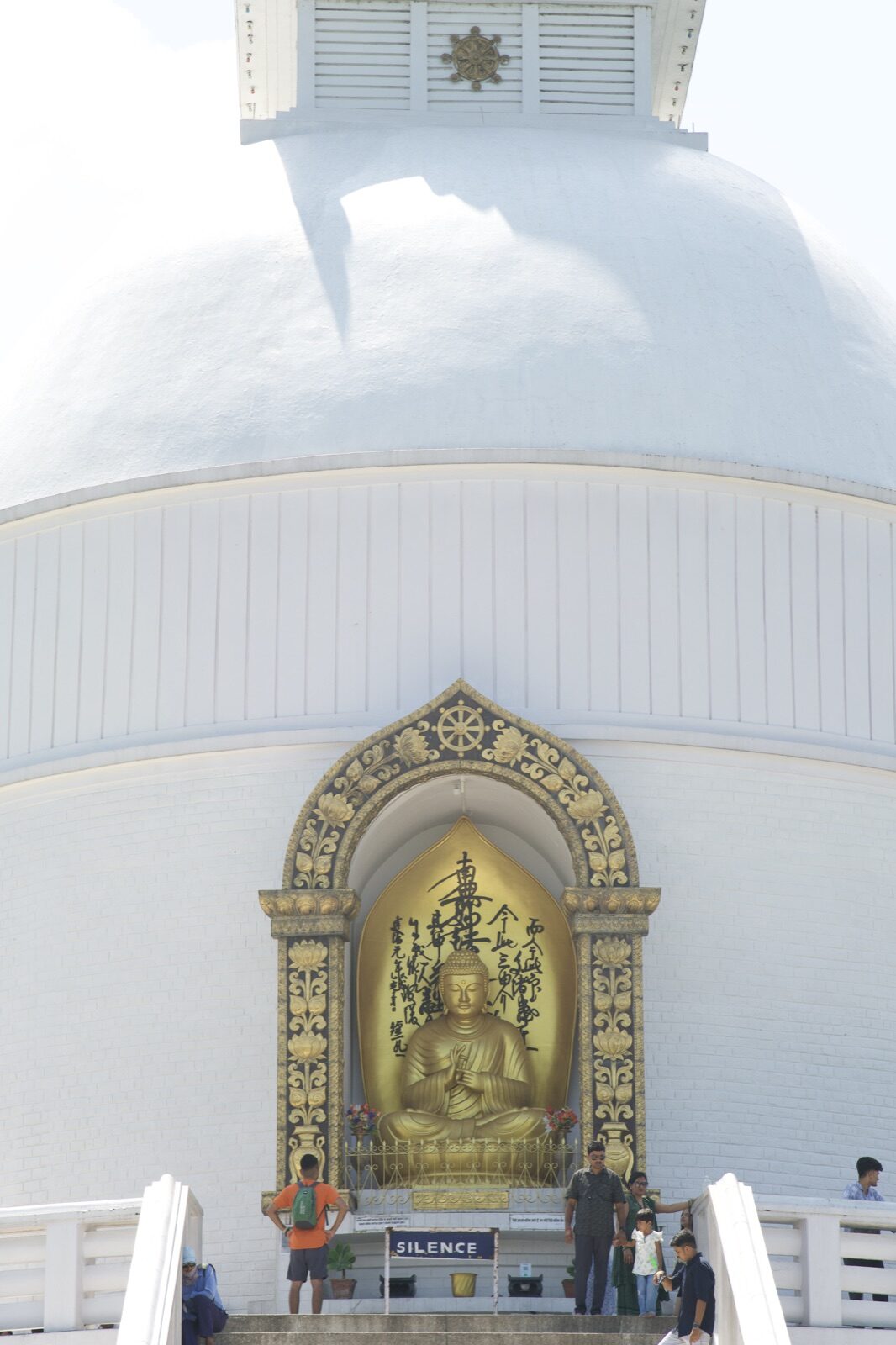
Lumbini, in southern Nepal, is the birthplace of the Buddha and a UNESCO World Heritage Site. Around the sacred garden and the Maya Devi Temple is a monastic zone where Buddhist countries from around the world have built their own monasteries.
In Kathmandu, Boudhanath, one of the largest stupas in the world, and Pashupatinath, one of the most important Hindu temples, are both part of the Kathmandu Valley World Heritage Site.
- Good for: learning something new, rest
- Time: 2–3 days for Lumbini; a day each for the Kathmandu sites
Courses: vipassana, yoga and sound healing
This is where slow travel really pulls away from a vacation. Nobody spends half of a two-week trip in silence.
Vipassana: Dhamma Shringa, about 12 km north of Kathmandu, has run 10-day silent meditation courses since 1981. There’s no course fee; it runs on donations from past students. Check the schedule and apply through the official site.
Yoga and sound healing: Kathmandu and Pokhara both have yoga schools and singing-bowl sound healing courses, from a single session to multi-week trainings.
- Good for: rest, learning something new
- Time: about 12 days for vipassana, including arrival and departure days; anything from a morning to a month for yoga and sound healing
Tibetan culture
Pokhara has four Tibetan refugee settlements. The largest, Tashi Palkhiel, was set up in 1962 and is about 8 km from the city, and half-day tours visit several of the settlements.
Upper Mustang, north of Pokhara on the Tibetan border, was closed to foreign visitors until 1992. Its walled capital, Lo Manthang, is the centre of a Tibetan Buddhist culture and hosts the Tiji festival each May. You need a restricted-area permit and a licensed guide, and the permit fees changed in 2025, so check the current rules before you budget.
Mustang is also on my radar, and I’ve been dying to send someone to Shinta Mani Mustang, a Bensley-designed luxury lodge in Jomsom, the gateway to Upper Mustang. If you’re not into roughing it, this is the place for you.
- Good for: adventure, learning something new
- Time: half a day for the Pokhara settlements; 10 days or more for Upper Mustang
Community
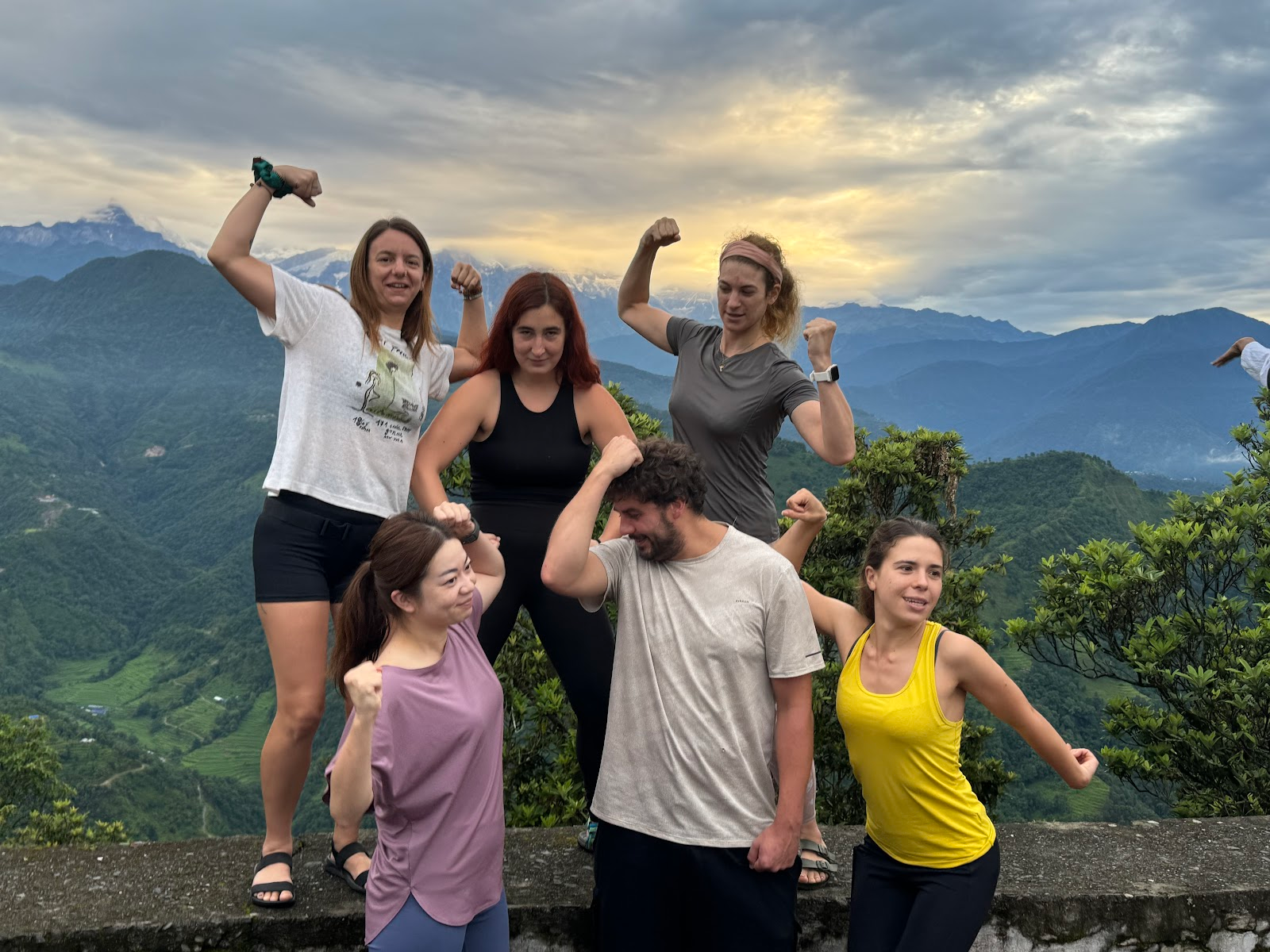
If you work remotely during part of your break, Pokhara has a real community. Coliving programmes like the one I joined, and events like Nomad Basecamp every September, make it easy to meet people.
- Good for: connection
Vacation vs sabbatical in Nepal
A three-week vacation in Nepal is a trek, a few days in Kathmandu, a few days of rest in Pokhara. It’s a great trip, and mostly it’s recovery.
One to two months gives you room for the things that actually change you: rest, adventure in the mountains and the jungle, real connection with the people around you, giving something back, and learning something for no reason. That mix is what my sabbatical framework is built around, and Nepal has all of it.
Nepal is a beautiful, magical place, but it needs to be either planned well or travelled slowly. It’s not the kind of place you go and wing it, unless you have plenty of time on the ground to be flexible.
Before you go: the new government, natural disasters and staying safe
Politics. In September 2025, youth-led “Gen Z” protests brought down Nepal’s government. An interim government held elections on 5 March 2026, the Rastriya Swatantra Party won a majority, and Balendra “Balen” Shah, 35, was sworn in as prime minister on 27 March. I’ve spoken to many Nepalese people recently, and they’ve all been very happy with what’s happening with the government.
Natural disasters. Floods and landslides are a real risk, especially during the monsoon (roughly June to September), and they’re getting worse as the climate warms. In August 2026, a flash flood on the Bhote Koshi river in Rasuwa district, north of Kathmandu, left hundreds of people dead or missing, including travellers. That’s no reason not to go, but plan for it:
- Get travel insurance that covers trekking at the altitude you’re going to.
- Make contingency plans, and leave buffer days around flights and treks.
- Sign up for your government’s travel alerts for your dates (for US citizens, that’s the State Department’s STEP programme).
- Save emergency numbers in your phone: Tourist Police 1144, police 100, ambulance 102.
- Get a local SIM card when you arrive.
- Never, ever hike without a guide. Since April 2023, foreign trekkers have needed a licensed guide in most of Nepal’s national parks and conservation areas anyway.
If you’re planning a career break that includes Nepal, I’d be happy to meet for a virtual coffee: https://calendly.com/b_adventuras/adventuras-sabbatical-free-consultation
Sources
- Visa: Embassy of Nepal, The Longest Way Home
- Pokhara Yoga School: BookRetreats listing
- Pokhara Bird Society: BirdLife Nepal
- Mardi Himal: Nepal Hiking Team
- Rhinos: WWF, Pachyderm (1950s–60s decline), Oryx review
- Tigers: Kathmandu Post, 2026 tiger census
- Birds: Republica (Chitwan), Kathmandu Post (birding sites)
- Tiji: Nepal Tourism Board
- Nomad Basecamp: Digital Nomads Nepal, Ratopati
- Lumbini: Lumbini Development Trust
- Vipassana: Dhamma Shringa
- Tibetan settlements: The Longest Way Home
- Upper Mustang permit: Hop Nepal
- Shinta Mani Mustang: Afar
- Government: House of Commons Library, Al Jazeera
- Floods: Malay Mail
- Emergency numbers: Nepal Police, Tourist Police, UK travel advice
- Guide rule: Kathmandu Post