
This is the second entry on my B-List: the travel experiences I find the most interesting, impactful and memorable, even when they don’t make a typical top 10 list.
I’m living in Sri Lanka right now, and it’s definitely a place where you can spend a lot of time. Most people picture it as a beach destination, and honestly, the beaches are incredible. There’s absolutely no reason you can’t come to Sri Lanka just for the beach, and no matter where you are on the island, you’ll have some kind of beach nearby.
So “beyond the beach” doesn’t mean skipping it. It means: if the beach is your daily routine, what are you doing with the rest of your time so you don’t feel like all you’re doing is lying on the sand?
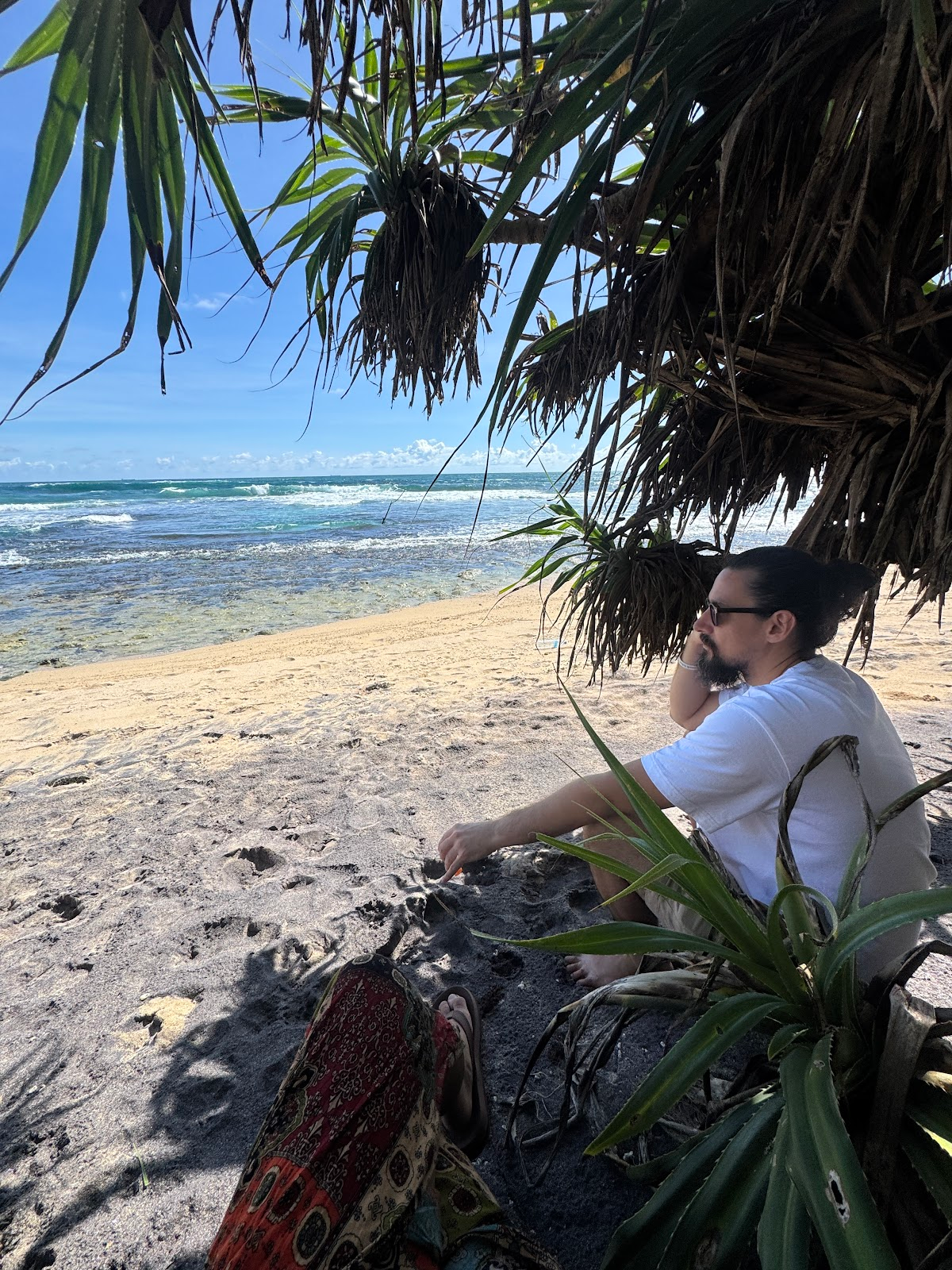
I’ve spent about five months in Sri Lanka in total: two and a half months in 2024, and another two and a half since I arrived in late August this year.
The quick answer
How long do you need in Sri Lanka? One month lets you see the main regions at about a week each. Two months lets you slow down to around two weeks per region. If you want to really live somewhere, spend one to two months on a single coast. Tourist visas start at 30 days and can be extended, up to a maximum commonly cited as 270 days. US, UK, Australian and New Zealand passport holders all apply for the same 30-day ETA online before arriving. Check the visa rules for your passport on Sri Lanka’s official ETA site.
What is there to do in Sri Lanka besides the beach? Surfing and diving, ancient cities and temples (Sri Lanka has eight UNESCO World Heritage Sites), the food, hiking in tea country, birding in the rainforest, and Colombo’s city and coworking scene.
In this guide
- How to spend one to two months (or more)
- What to do beyond the beach
- What I’d skip, or keep very low on the list
- Who Sri Lanka is right for
- Where to stay
- Vacation vs sabbatical in Sri Lanka
- Before you go
- Frequently asked questions about Sri Lanka
How to spend one to two months (or more)
The classic loop covers the whole island. Give it about two weeks per region:
- South Coast: beaches, surf towns, Galle’s old fort.
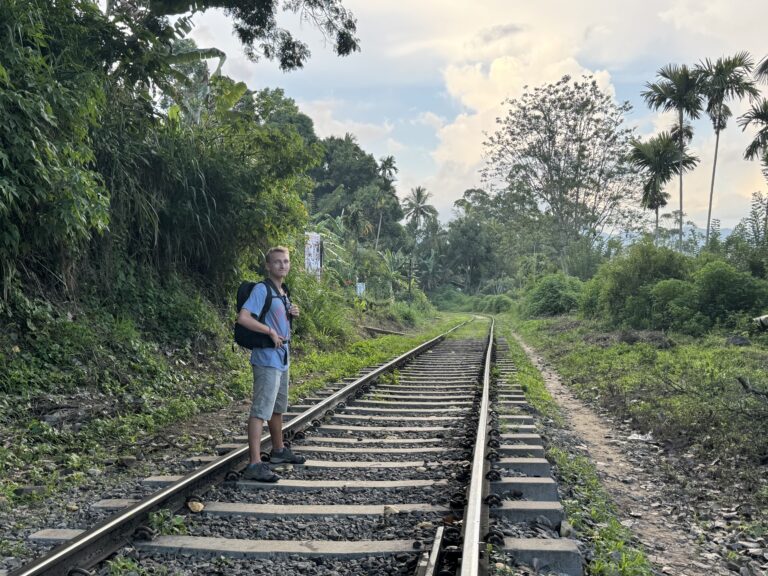
- Hill country: tea estates, cooler air, hiking and the scenic train rides.
- East Coast: quieter beaches, surf and diving.
- The North: Jaffna and Tamil culture, which most visitors never reach.
That’s eight weeks right there. Only have a month? Do one week in each, easy peasy. Or slow everything down and double it, which makes the whole trip even richer.
If you want to go deeper, pick one or two bases for a couple of months each. Two months on the East Coast and two months on the South Coast works well, with weekend trips to the national parks and the mountains, which are easy to reach from both.
Plan your coasts around the monsoons. The south and west coasts are at their best from about December to April. The east coast is best from about May to September. October and November are the least predictable on both sides, but they’re transition months and can be amazing on either coast: October leans toward the east, and November leans toward the south.
Pro tip: high seasons come with higher prices. If you know exactly what you’re going for, you can easily spend time in the “wrong” part of the island during its low season and still have a great time.
And if you’re an entrepreneur or into coworking, think about basing yourself in Colombo. It’s often overlooked as a tourist destination, but it’s a great place to be if you want to network and still have a nightlife and social scene, easy access to quiet nature, and weekend getaways. Especially if you know where to look.
What to do beyond the beach
In order of what I’d put at the top of your list:
Water: surfing and diving
Surfing is one of the best things to do on the island, and the seasons split by coast. Weligama on the south coast is the classic place to learn, roughly November to April. Arugam Bay on the east coast is the big surf town from about May to October. Diving follows the same split, with the south and west best in the first half of the year and the east coast in the second.
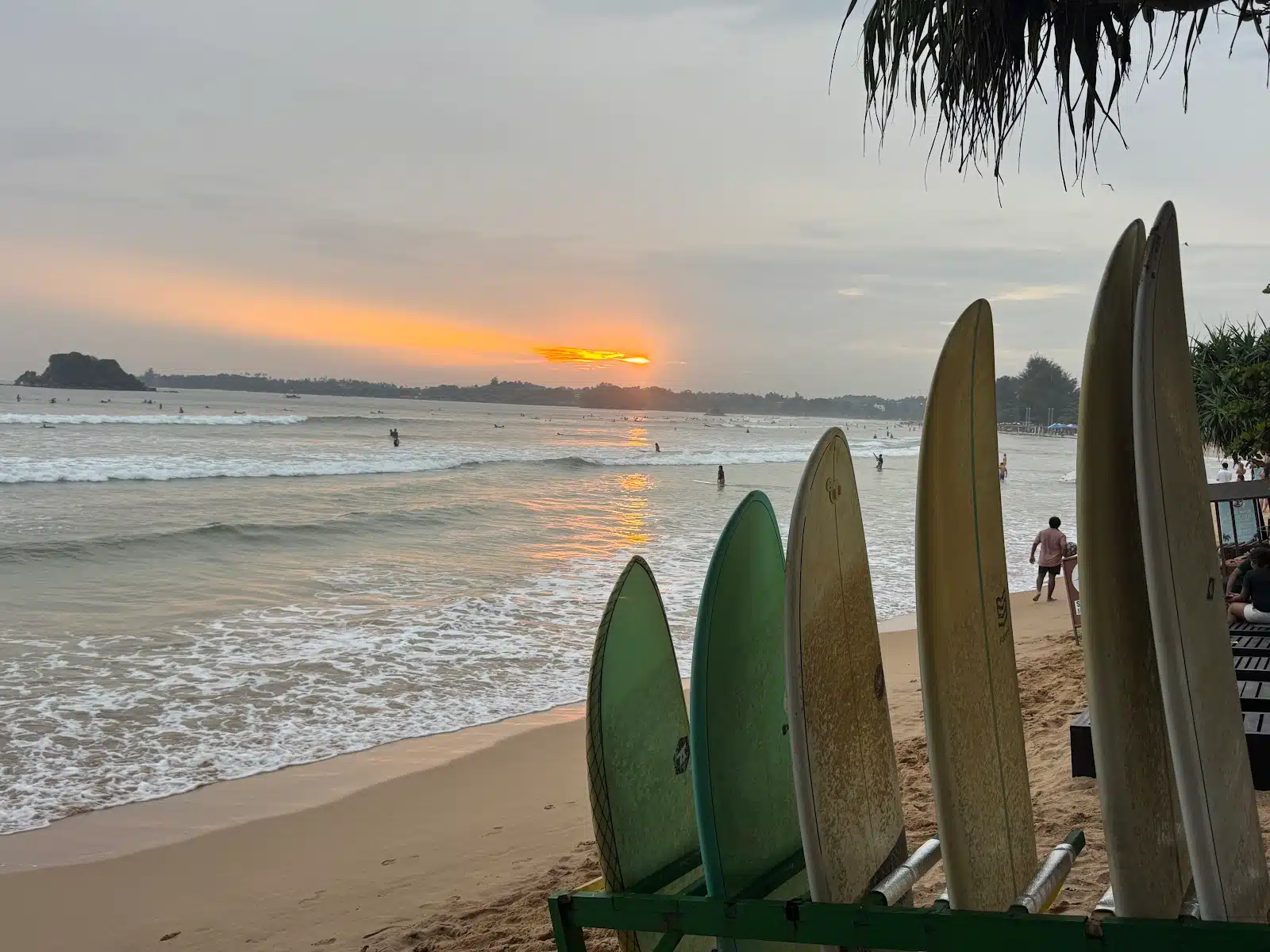
- Good for: adventure, learning something new
- Time: a week for a surf course; a month to have a lot of fun and genuinely improve
Culture
Sri Lanka has eight UNESCO World Heritage Sites. Six are cultural: the ancient cities of Anuradhapura and Polonnaruwa, the rock fortress of Sigiriya, the Golden Temple of Dambulla, the sacred city of Kandy and the old town of Galle with its fortifications. Most of the ancient sites sit together in the “Cultural Triangle” in the middle of the island, so they’re easy to see in one stretch.
- Good for: learning something new and diving into the island’s traditional heritage
- Time: about a week for the Cultural Triangle and Kandy
Food
Food is one of the most important things on the island, so give it real time: rice and curry, roti and kottu, street food, and a cooking class or two.
If you only try one thing, make it a traditional Sri Lankan dinner served on a banana leaf. Get the curry and string hoppers (or egg hoppers!), and tell them how spicy you like it. Sri Lankan cooking uses a lot of chilli, but it’s easy to ask for medium or mild.
Best deal for your palate (and your wallet): buffet curry houses. They’re usually cheaper than any single dish, and you can mix and match all your Sri Lankan favourites.
If you learn to cook anything, make it home cooking. I was pleasantly surprised to learn how much Sri Lankan home cooking is made with ingredients from people’s own gardens.
- Good for: connection, learning something new
Nature, hiking and birding
Sri Lanka is extremely biodiverse. More than 500 bird species have been recorded on the island, around 33 of them found nowhere else in the world, and Sinharaja Forest Reserve, a UNESCO-listed rainforest, is home to most of those endemic species. If you’re a birder or just a nature person, put this high on your list.
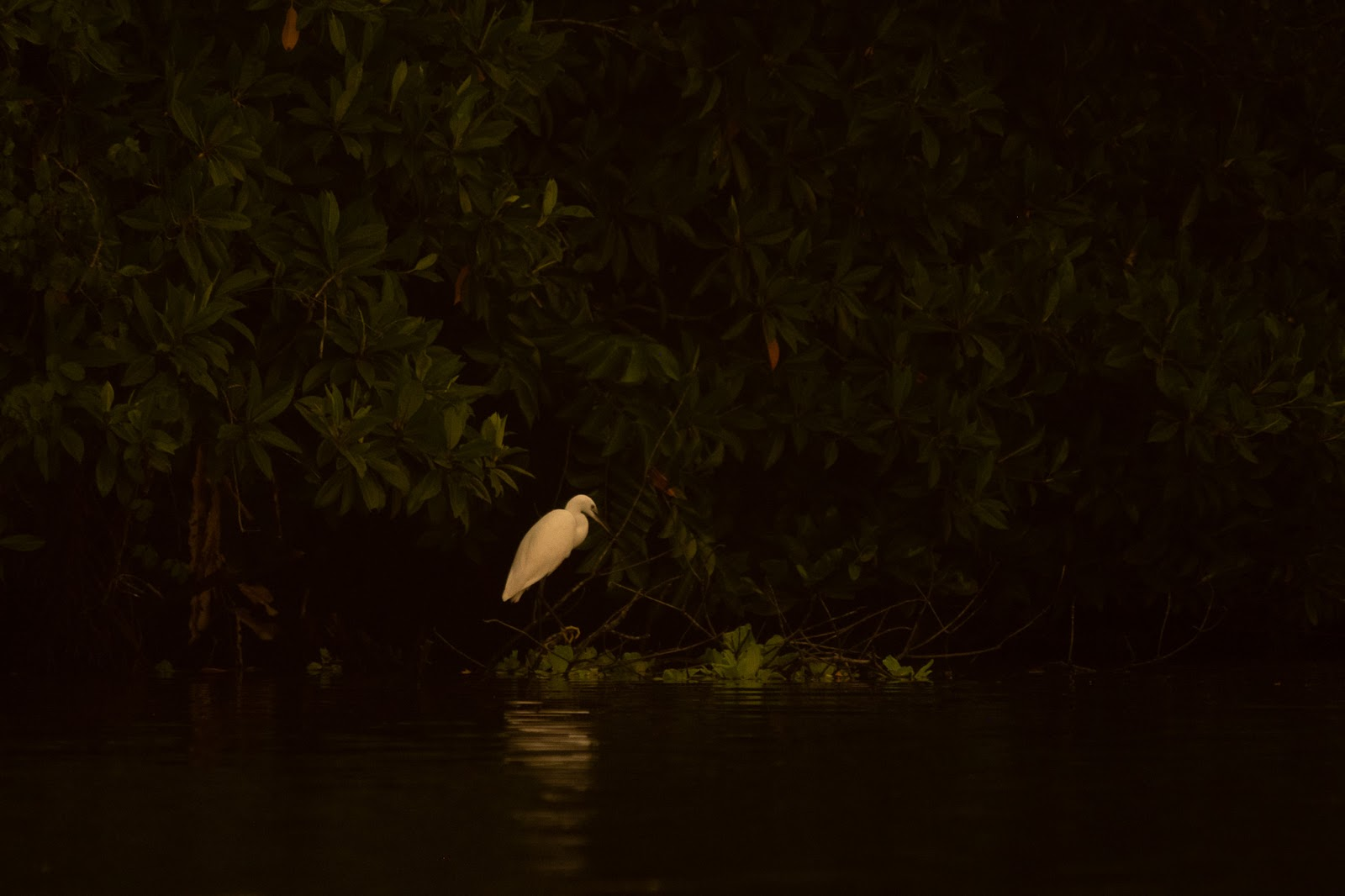
For walking, the Pekoe Trail runs about 300 km through tea country in 22 stages, from near Kandy to near Nuwara Eliya. You can walk a stage or two or spend weeks on it. Beyond the big trails, there are local trails all over Ella and in many of the parks, so it’s easy to fit a hike into almost any week. The Central Highlands, also a UNESCO World Heritage Site, cover Horton Plains, the Peak Wilderness and the Knuckles range.
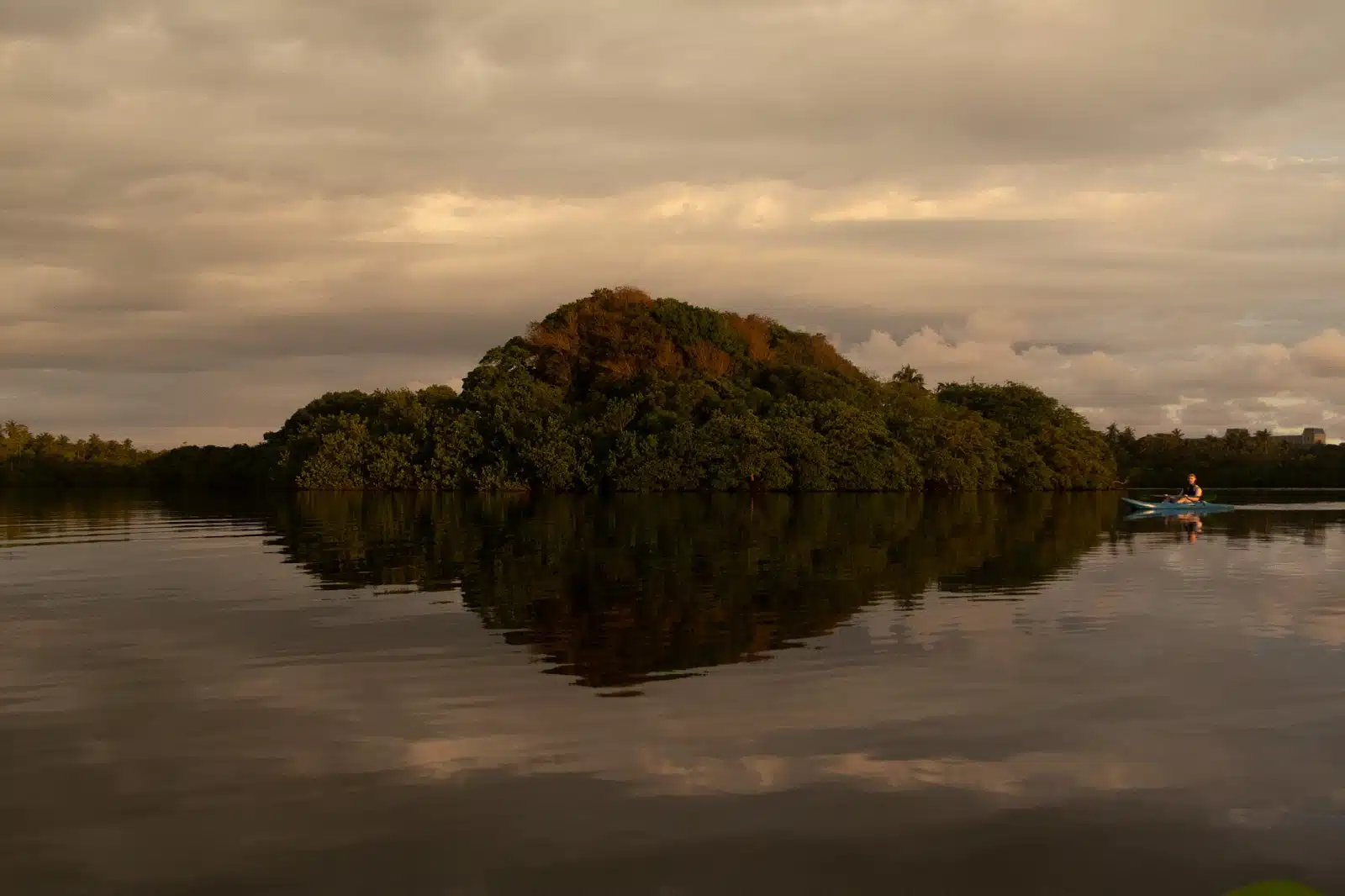
- Good for: adventure, rest
- Time: a day hike to several weeks on the Pekoe Trail
City life in Colombo
For networking, coworking and a social scene, Colombo is the place to be. Just know that you’ll drive everywhere, and with the traffic, places can feel far apart.
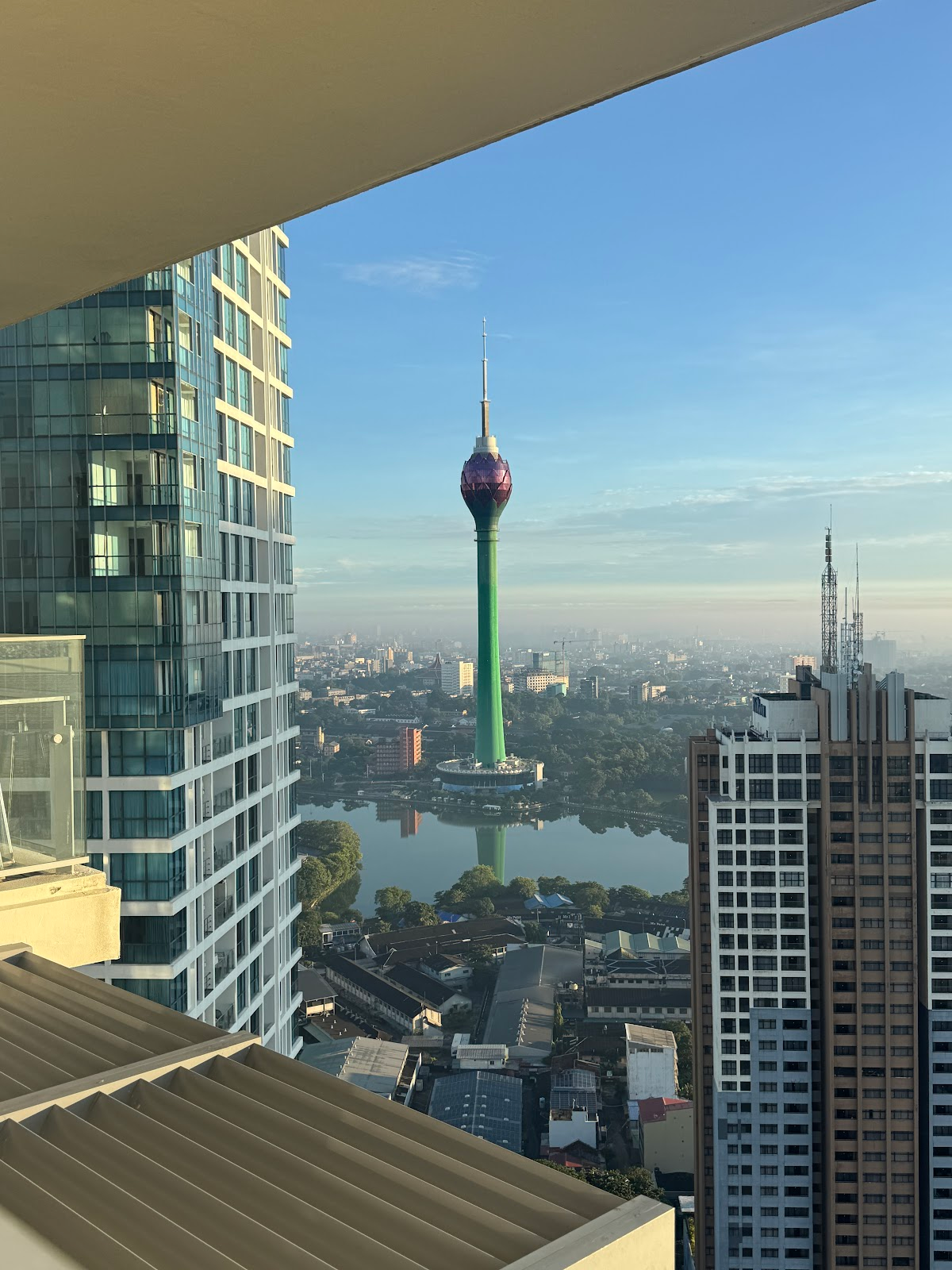
- Good for: connection
What I’d skip, or keep very low on the list
Safari. Sri Lanka gets sold as a safari destination: leopards in Yala, wild elephants, blue whales off the south coast. The animals really are here, and the island is extremely biodiverse.
But when it comes to the big animals, there just aren’t that many, so huge numbers of visitors end up chasing the same few sightings. In Yala National Park, crowds of jeeps and speeding drivers are a well-documented problem for the leopards, and there aren’t enough regulations around how the animals are treated.
So it’s not where I’d spend your money and time on safari. For a proper safari, go to Africa, Malaysia, India or Nepal. If you want one wildlife weekend here, pick a lesser-known park over Yala for fewer people and a rawer, more natural experience.
Whale watching is one of the things Sri Lanka is best known for, but most operators don’t do it ethically. Reports describe boats breaking the rules and illegal swimming with whales. There’s really only one company I believe in at this point, and even then I’m a little hesitant, depending on how strict you are about wild animals. If you still want to go, ask me and I’ll point you to them.
Who Sri Lanka is right for
There are a few awkward levels to Sri Lanka. There’s a great backpacker scene, and there’s an incredible luxury scene if you’re into luxury experiences, or at least peppering them in.
What’s missing is the mid-range: high-quality experiences for people who have the money to invest in them, but not more than they’re worth. That’s the default in most of the world, but for some reason it’s almost absent here. So you either lower your budget and your expectations, or you spend two to three times as much and get the luxury.
It’s especially good for adventurous people who are willing to try things they don’t understand or that don’t feel comfortable right away. If it’s your first time in Asia, you’ll definitely need to be adventurous. The infrastructure is very different, the roads feel chaotic and there’s a lot of traffic.
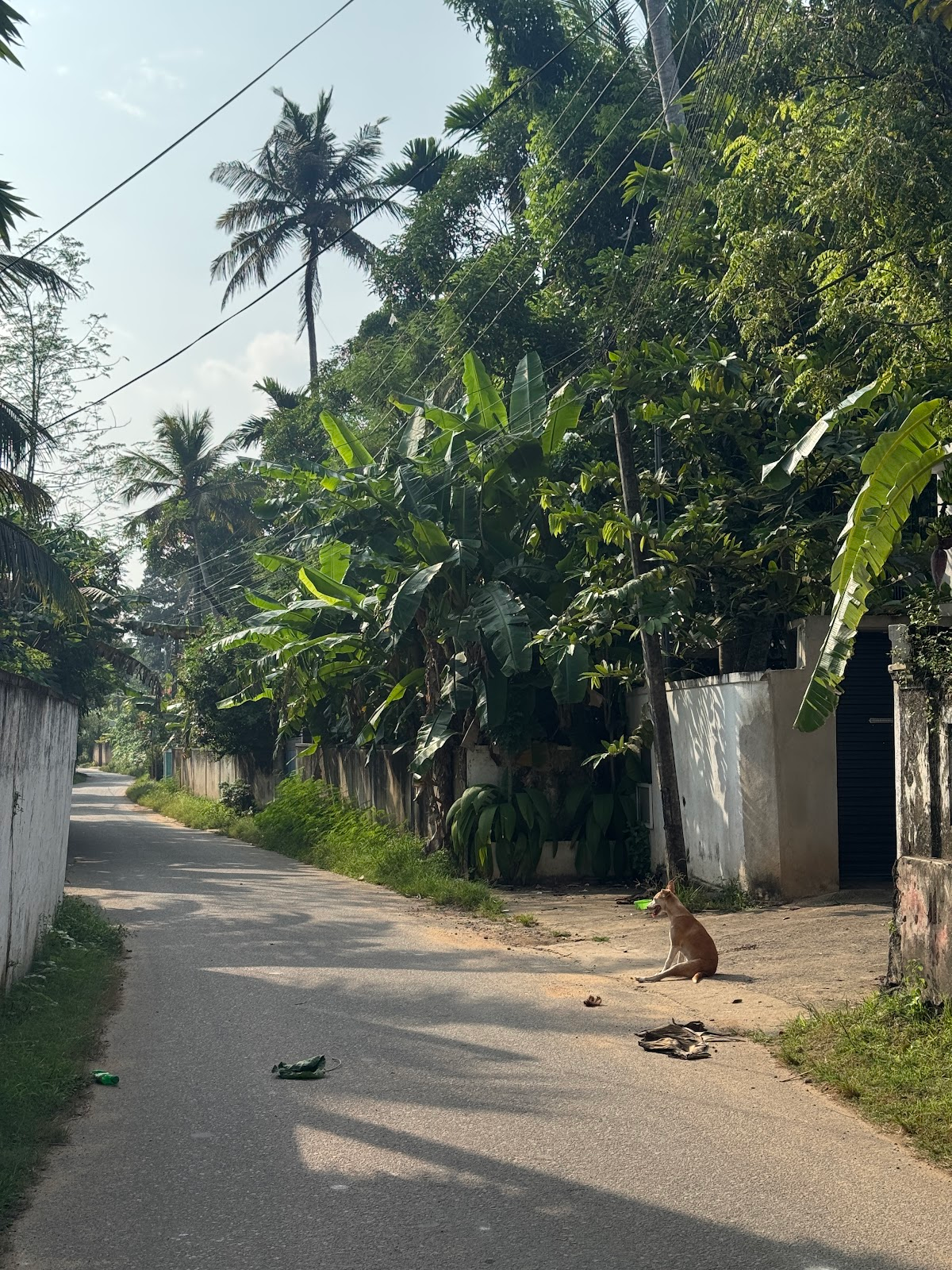
There are also a lot of walls. As you drive around, you don’t always see right away where the beauty is, or the good places to eat, walk, shop or hang out. It’s an A-to-B kind of place, where you need to know where you’re going, rather than a place where the magic happens in between. But in a way the in-between has its own beauty: you see the very local, slow-paced way of life, with people walking, taking tuk-tuks and waiting for buses. Sri Lankans live part of their lives walking between places, and they’re used to not going so far that they can’t walk.
Where to stay
Expect accommodation to be pretty good, but don’t expect places to blow you away unless you get really lucky or know the right people.
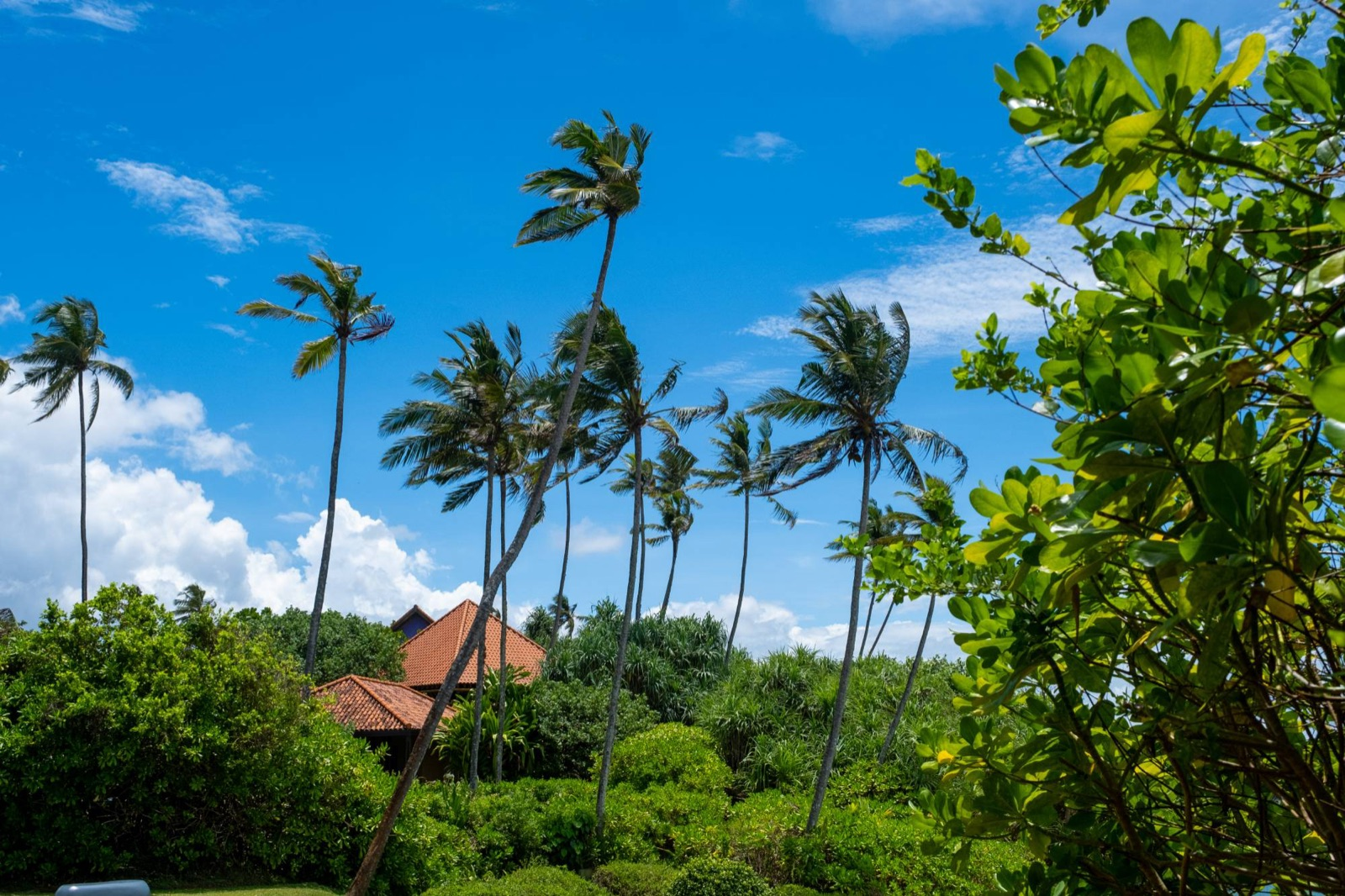
Hence, shameless plug: it really, really helps to know the right people here to point you in the right direction. I’m here, I’m learning, I’m having meetings and I’m travelling around getting to know the place. If anybody can help you find the right way to come and visit Sri Lanka, it’s me.
Vacation vs sabbatical in Sri Lanka
A two-week vacation in Sri Lanka is a fast loop: a few beaches, a train ride through tea country, a temple or two. It’s beautiful, and it’s mostly recovery.
One to two months gives you room for the things that actually change you: rest on the beach as your daily routine, adventure in the surf and the mountains, real connection in a town you get to know, and learning something new, whether that’s surfing, cooking or the island’s history. That mix is what my sabbatical framework is built around. If you’re working out what a longer trip like this costs, start with my guide to making a sabbatical budget.
Sri Lanka is the kind of place that rewards knowing where you’re going. Plan it well, or give yourself enough time on the ground to figure it out.
Looking for more slow travel in Asia? Read my first B-List entry, Nepal Beyond the Trek.
Before you go
- Visa: most visitors, including those from the US, UK, Australia and New Zealand, get a 30-day tourist ETA online before arriving, and you can extend it in stages through the Department of Immigration. The maximum is commonly cited as 270 days from arrival. Rules and fees change often, so check eta.gov.lk before you go.
- Seasons: match each coast to its dry season (see above). The hill country can be cool and wet, so pack layers.
- Weather and landslides: Cyclone Ditwah in late November 2025 caused serious floods and landslides, especially in the hill country, and closed parts of hiking routes like the Pekoe Trail and the Adam’s Peak paths. Check current trail and road status before you hike.
- Getting around: roads are busy and chaotic. Most visitors use drivers, tuk-tuks, trains and buses rather than driving themselves.
- The basics: get travel insurance, make contingency plans, sign up for your government’s travel alerts for your dates, and get a local SIM card when you arrive.
If you’re planning a career break that includes Sri Lanka, I’d be happy to meet for a virtual coffee: https://calendly.com/b_adventuras/adventuras-sabbatical-free-consultation
Frequently asked questions about Sri Lanka
How long do you need in Sri Lanka?
One month covers the main regions at about a week each: the south coast, the hill country, the east coast and the north. Two months lets you spend around two weeks in each. To really settle in, spend one to two months on a single coast with weekend trips inland.
What is there to do in Sri Lanka besides the beach?
Surfing and diving, eight UNESCO World Heritage Sites including Sigiriya, Kandy and Galle, the food, hiking the 300 km Pekoe Trail through tea country, birding in Sinharaja rainforest, and Colombo’s city and coworking scene.
When is the best time to visit Sri Lanka?
It depends on the coast. The south and west are best from about December to April, and the east coast from about May to September. October and November are the least predictable months on both coasts.
How long can you stay in Sri Lanka on a tourist visa?
Most visitors, including US, UK, Australian and New Zealand passport holders, get a 30-day tourist ETA online before arriving, which can be extended in stages through the Department of Immigration. The maximum total stay is commonly cited as 270 days from arrival. Rules and fees change often, so check the official site, [eta.gov.lk](https://www.eta.gov.lk/), before you travel.
Is Sri Lanka good for safari?
It’s not where I’d spend money on safari. Animal welfare rules are weak, and parks like Yala have serious problems with crowded, speeding jeeps. If you want one wildlife weekend, choose a lesser-known park. For a dedicated safari, go to Africa, Malaysia, India or Nepal.
Is whale watching in Sri Lanka ethical?
Often not. Reports describe operators breaking the rules and illegal swimming with whales. Choose a responsible operator carefully, or skip it.
Is Sri Lanka good for digital nomads and remote workers?
Yes, especially Colombo, which has coworking spaces and an active social and networking scene. Expect heavy traffic, and plan around it.
Is Sri Lanka good for a first trip to Asia?
It can be, if you’re adventurous. Infrastructure is very different, roads are chaotic and the good spots are often hidden behind walls, so it helps to plan well or travel with someone who knows the island.
Sources
- Visa: Visa policy of Sri Lanka, Lanka Lens
- Seasons and surf: Lonely Planet, Perfect Wave
- UNESCO sites: List of World Heritage Sites in Sri Lanka
- Birds and Sinharaja: IUCN World Heritage Outlook, Responsible Travel
- Pekoe Trail: Peregrine Treks
- Leopards and Yala crowding: PMC study, Mongabay, 2026
- Whale watching: Mongabay, Pearl Protectors report
- Cyclone Ditwah: Mongabay, US Embassy alert