
This is the third entry on my B-List: the travel experiences I find the most interesting, impactful and memorable, even when they don’t make a typical top 10 list.
Georgia (the country, not the US state) is best known for its wine, and for good reason. But I spent four months living and travelling around Georgia in 2023, including the summer months from July to September, and the wine is only the start. It has the vibes, history and culture you’d go to Europe for, without European prices or crowds. In some ways it feels more European than some Eastern European countries, and yet it’s entirely its own place.
The quick answer
How long do you need in Georgia? Plan at least two weeks to see Tbilisi, the Kakheti wine region and the mountains at Kazbegi. One to two months lets you add Svaneti, the Black Sea coast and Kutaisi, and actually settle into Tbilisi. US, UK, New Zealand, Australian, Canadian and EU passport holders, among many others, can stay visa-free for up to a year. Check the rules for your passport on Georgia’s official e-visa site.
What is there to do in Georgia besides wine? High-mountain hiking in Svaneti and Kazbegi, staying with local families in mountain villages, cave monasteries and old churches, sulphur baths and a big food, art and nightlife scene in Tbilisi, and swimming in the Black Sea at Batumi.
In this guide
- How to spend one to two months
- Regions to visit
- Where to stay
- Where to eat in Tbilisi
- Who Georgia is right for
- Vacation vs sabbatical in Georgia
- Before you go
- Frequently asked questions about Georgia
How to spend one to two months
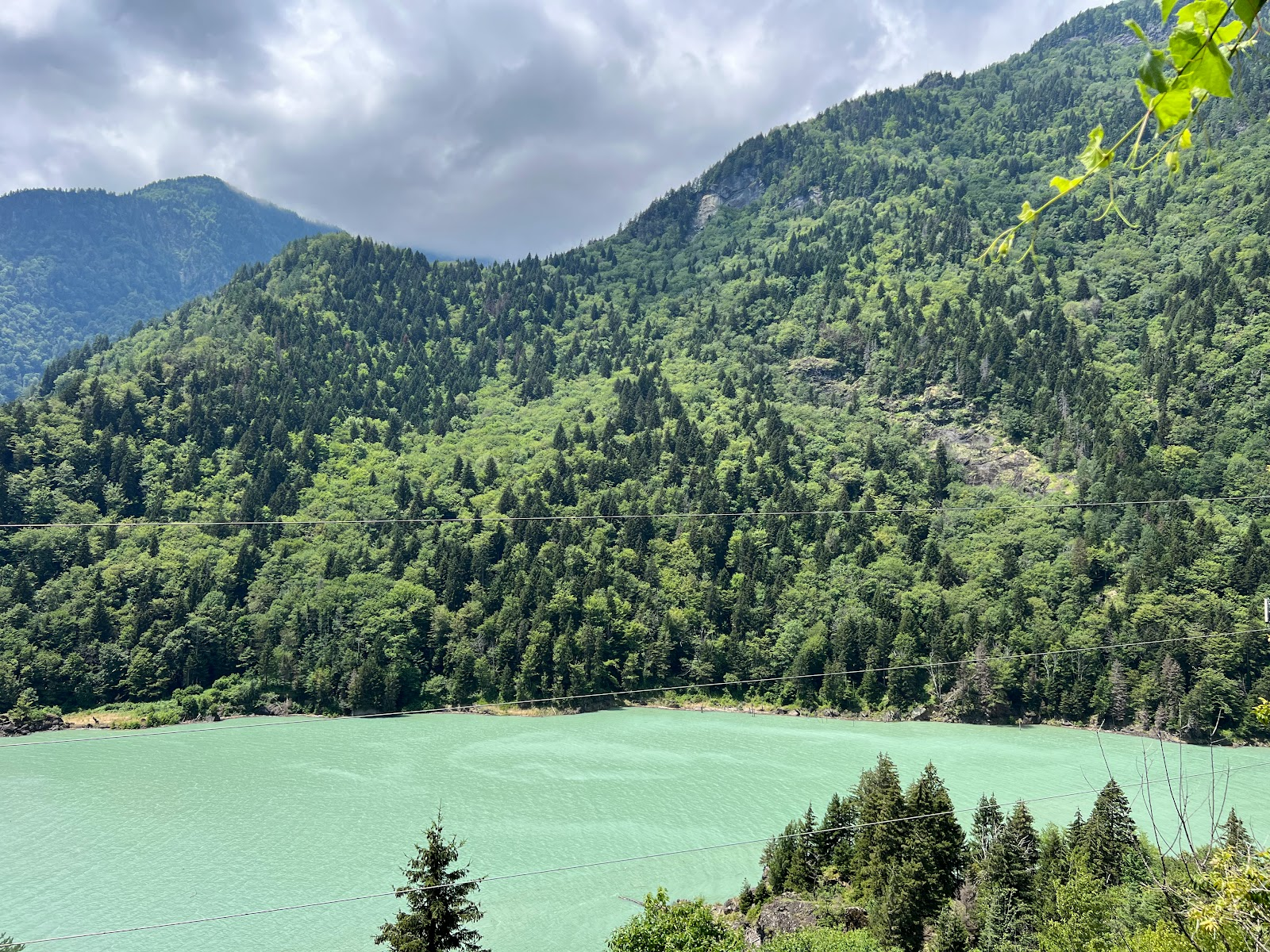
The Caucasus Mountains run across the whole north of the country, along the border with Russia. The west is lush and humid, almost tropical (it reminds me a lot of the northern Colombian coast). Almost the entire east is Kakheti, the wine region. Along the south, you’ll find cave monasteries and ancient cave cities.
A good one-to-two-month loop, with Tbilisi as your base:
- Tbilisi: your base. Come back between trips.
- Kakheti: the wine region, two to three hours east.
- Kazbegi: the classic mountain views, a few hours north.
- Svaneti: high mountains and villages in the northwest.
- Kutaisi and Imereti: caves, monasteries and a slower pace in the west.
- Batumi and the Black Sea coast: for beach days at the end.
- Tusheti: only if you’re adventurous (more below).
Regions to visit
Tbilisi
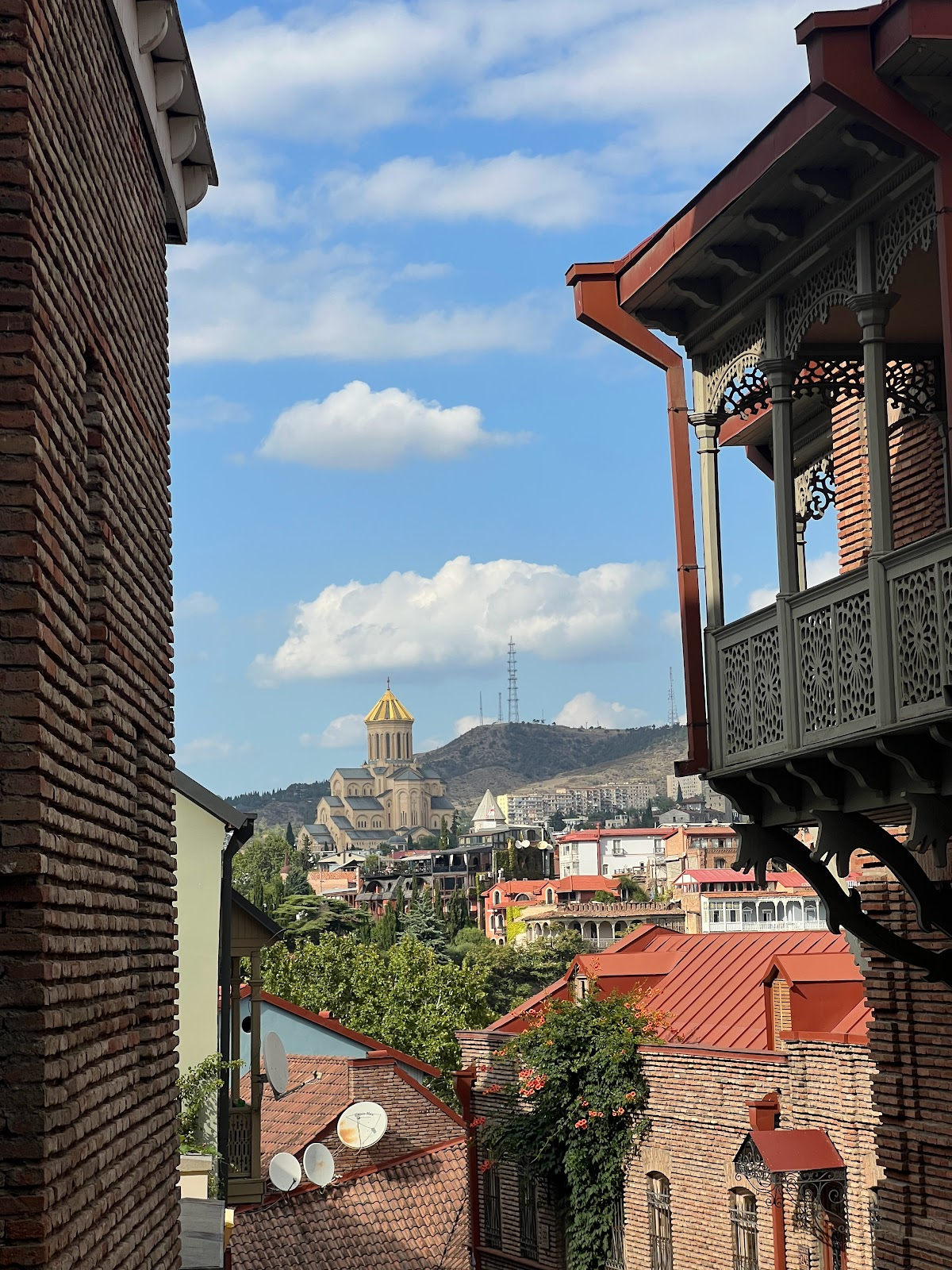
Of all the capital cities I’ve been to in the world, Tbilisi is high on the list. It’s vibrant, hip and very social, with lots of expats, great restaurants and bars, and coworking spaces, and you’ll never run out of things to do: museums, art galleries that turn into venues at night, live music, weekly events, shopping, cheap sulphur baths, fortresses, parks, historic buildings and unique architecture. Nature is extremely accessible, and the country is fairly inexpensive compared with Europe.
- Good for: connection, learning something new, rest
- Time: at least a week, and it works as a base for a month or more
Kakheti, the wine region
This is what Georgia is most known for. Archaeologists have found evidence of winemaking here going back about 8,000 years, the oldest found anywhere, and the traditional method of fermenting wine in buried clay jars called qvevri is on UNESCO’s list of intangible cultural heritage. Kakheti is a huge region full of wineries and vineyards, and the hospitality is amazing.
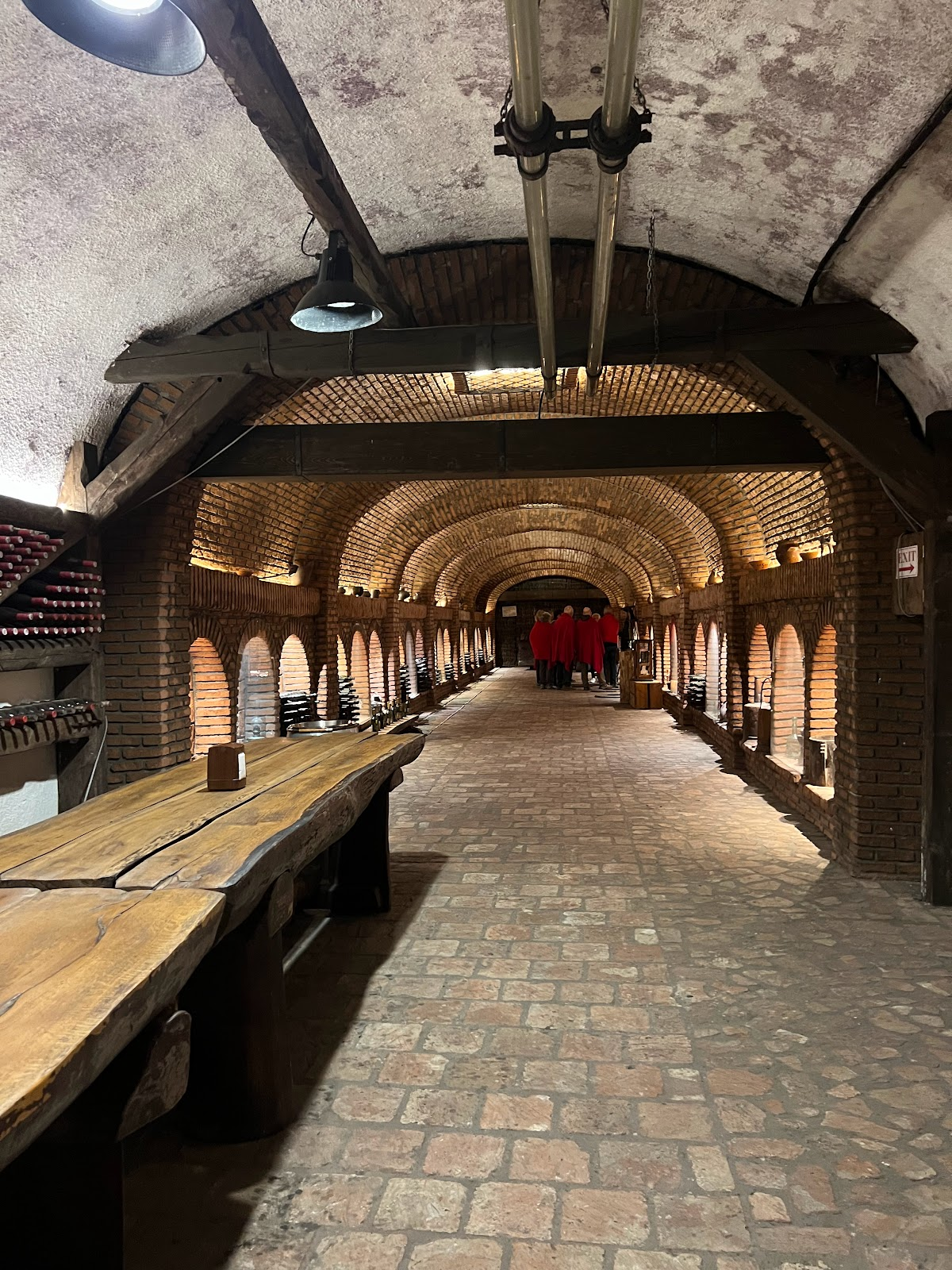
Telavi and Sighnaghi are the two most popular towns. Telavi is bigger and central to the wineries, so it’s the easier base for wine tasting. In the middle of town is a giant plane tree, estimated at around 900 years old, that’s said to have magic powers. I’m a true recipient of its magic, so if you go, make a good wish!
Sighnaghi is known as the city of love. It’s a cute little town high above the Alazani Valley where lots of people get married, and it’s better for a romantic getaway close to Tbilisi, with wine experiences and tours available.
- Good for: connection, rest, learning something new
- Time: three to five days (est.)
Kazbegi
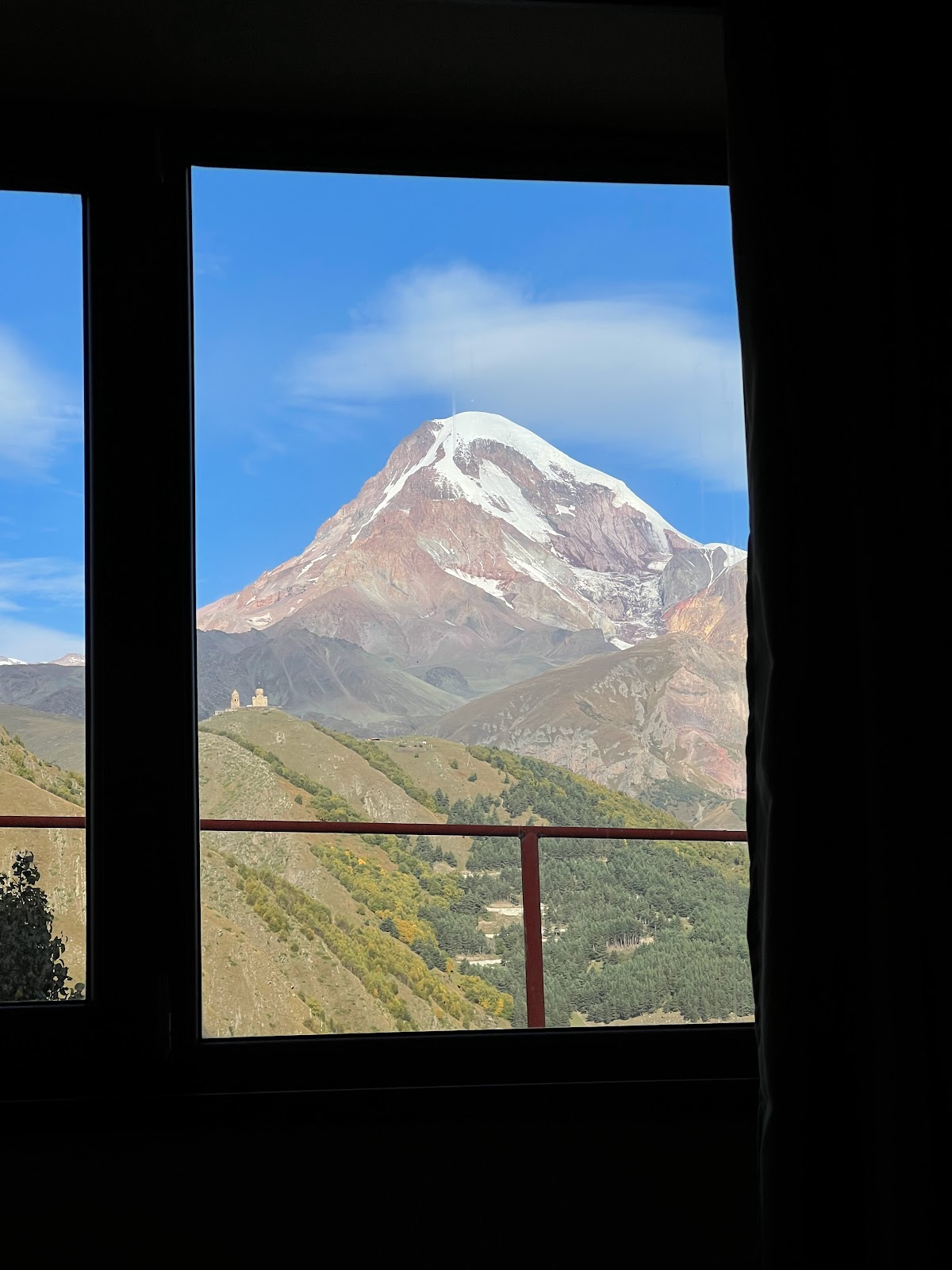
Stepantsminda is the beautiful mountain town you usually see in photos of Georgia, under Mount Kazbek with Gergeti Trinity Church on the ridge above it. Gudauri, nearby, is mostly known as a ski town.
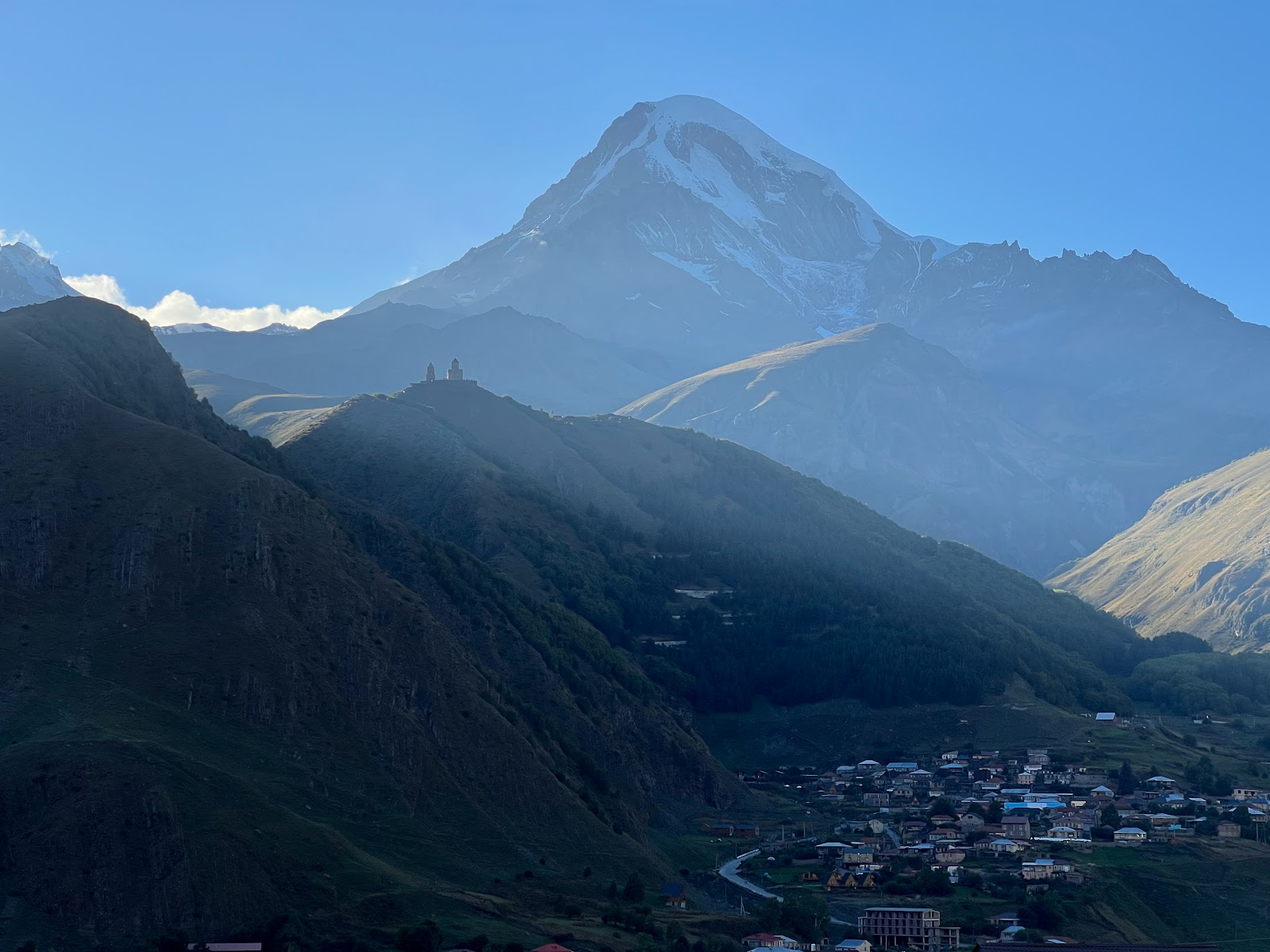
- Good for: adventure, rest
- Time: two to four days (est.)
Svaneti
Svaneti is a high mountain region with a culture all its own. The Svans have their own language and distinctive stone tower houses built for protection against invaders.
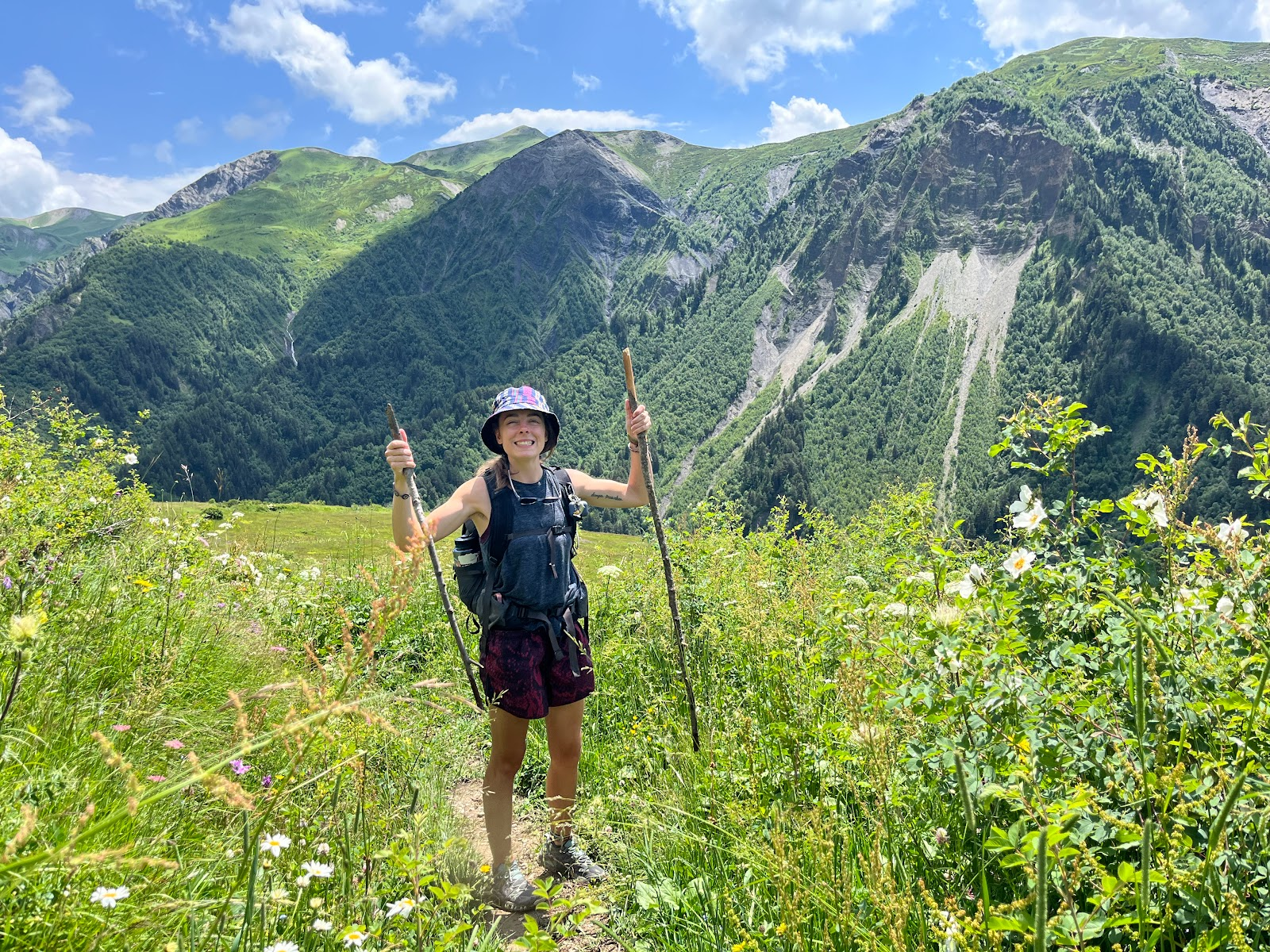
Mestia is the main hub. It has its own small airport, which isn’t super reliable but is cheap and saves many hours on winding roads in good weather. Otherwise there’s one main road in, through Zugdidi (which has a train station), and then you need a driver. Mestia is a ski town with the vibe of a tiny Aspen, without the luxury and boutique shops. It’s very cute, with amazing views and lots of hiking trails nearby, like the Chalaadi Glacier, the Seven Lakes and the multi-day trek from Mestia to Ushguli.
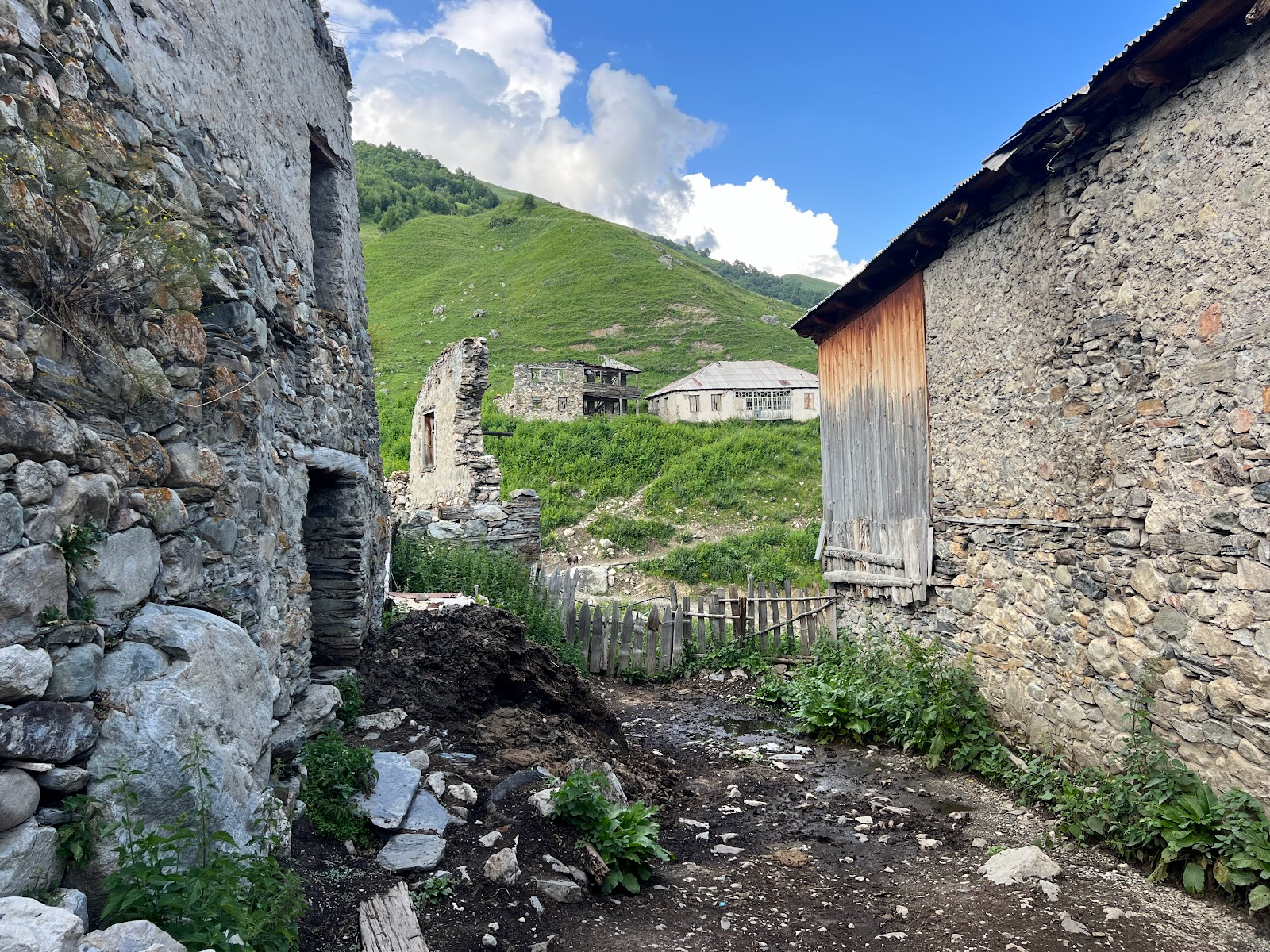
Ushguli is a group of five tiny villages and one of the highest continuously inhabited settlements in Europe, and boy, is it beautiful: huge grassy mountains with a giant glacier-covered peak behind them. Horseback riding is common, especially out to the glacier, and you can hike and birdwatch, but the main thing to do is spend time with a local family. There are no ATMs or grocery stores, so book a homestay that provides all your meals, and bring enough cash from Mestia. Some people only do a day trip, but I recommend at least one or two nights.
- Good for: adventure, connection
- Time: about a week for Mestia and Ushguli (est.), longer if you’re trekking
Kutaisi and Imereti
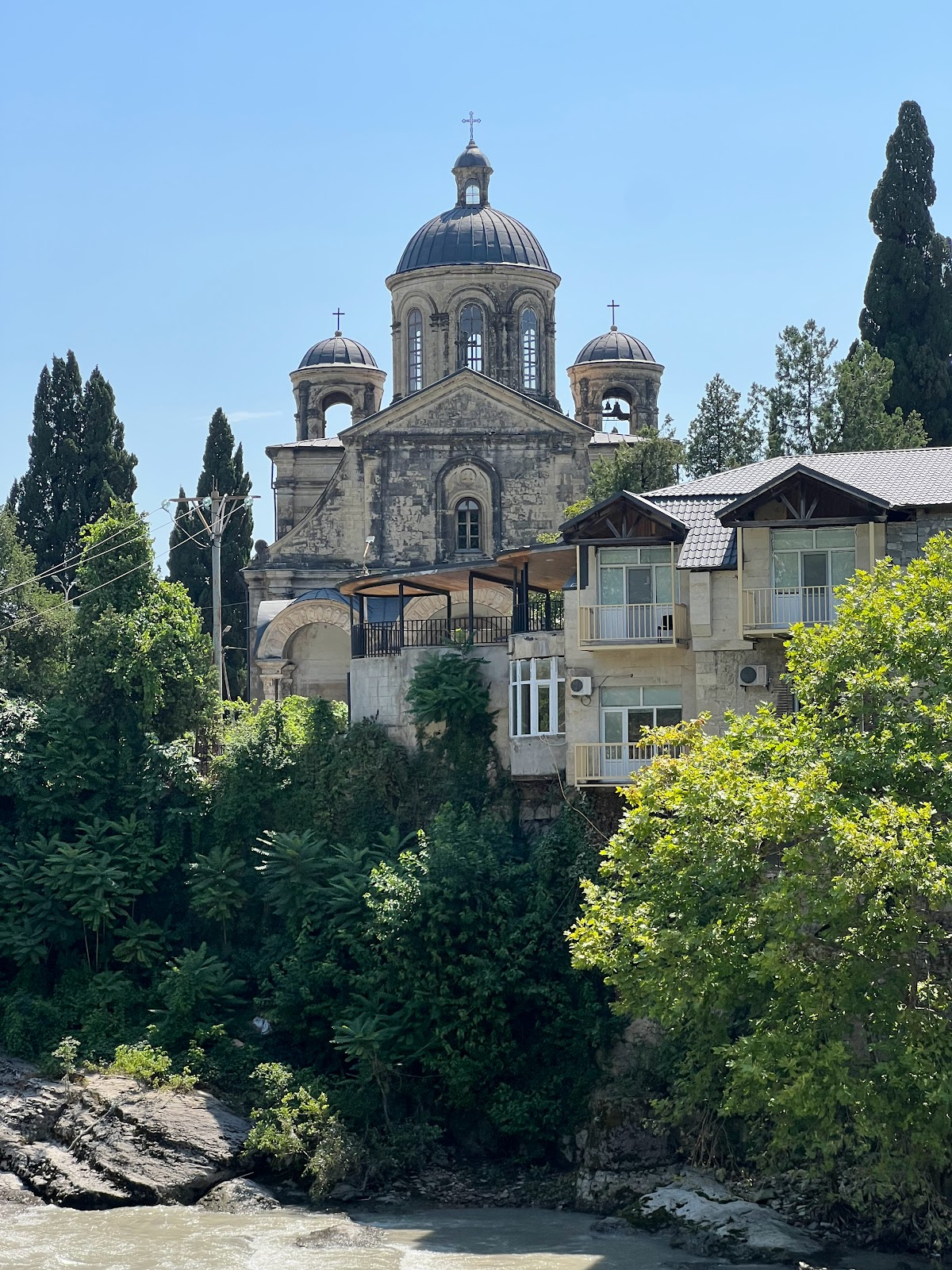
Kutaisi, Gori and Borjomi are small towns with lots of pretty churches and plenty of Stalin history (he was born in Gori). Kutaisi is one of the country’s main hubs and is perfect for one or two nights to see Prometheus Cave, Motsameta Monastery and the Katskhi Pillar.
- Good for: learning something new
- Time: one or two nights in Kutaisi
Batumi and the Black Sea coast
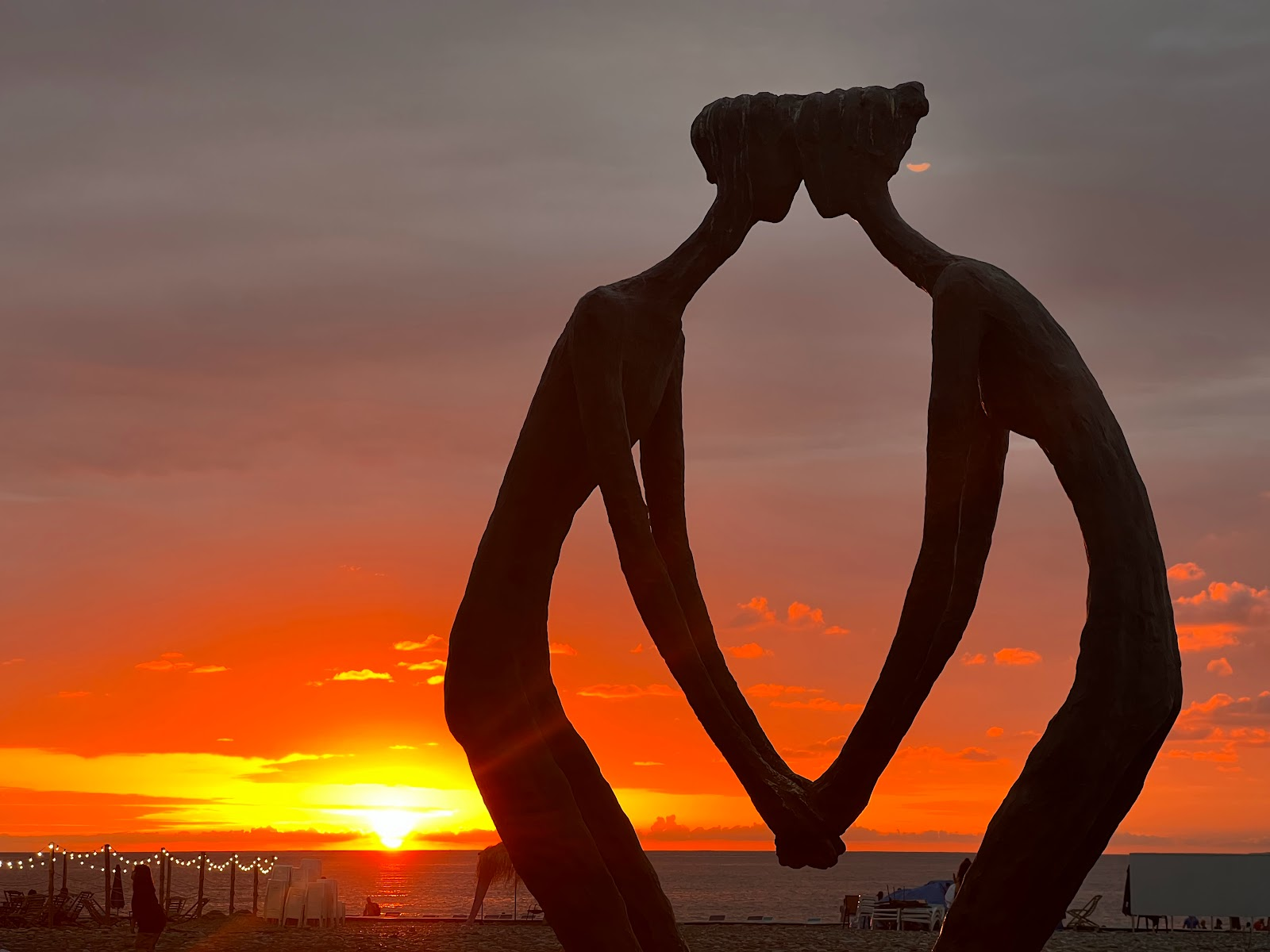
Batumi is the major coastal destination, and it’s especially popular with Russian tourists because it’s so close, but don’t let that put you off. It’s great for families, for people who love interesting architecture and for anyone who enjoys a casino (there are many). It’s much more laid back than Tbilisi, with a fraction of the people, good swimming in the warm Black Sea, decent nightlife, nice restaurants and a long, vibrant boardwalk.
Don’t miss the ethnography museum. It’s a bit comical because everything in it was handmade by the same woodworker, but that’s what gives it such a special feeling, and when I went, the tour was free.
- Good for: rest, connection
- Time: three to five days (est.)
Tusheti, for the adventurous
Tusheti is a much more remote mountain region, best known for its small villages and homestays. The only road in crosses the Abano Pass, one of the most dangerous roads in the region, and it’s only open in summer, roughly June to early October. Don’t drive it yourself; hire a local driver.
- Good for: adventure
- Time: three to four days, in summer only (est.)
Where to stay
Georgia isn’t the place for ultra-luxury travellers who won’t settle for less. But there are a few hotels I’d happily send anyone to.
The House Hotel Old Tbilisi totally blew me away. I loved everything about it: the contemporary art, the repurposed furniture and its commitment to being an eco-friendly hotel. It’s super homey, and the manager really cares. Every day, the staff take whoever’s interested on a walk around the block to meet the artisans and restaurants nearby, to build community and encourage guests to shop local. Each room has a painting that tells the story of an important Georgian through history, there’s live music in the courtyard until 10 pm, and the restaurant’s menu was created by a Michelin-starred chef from Spain. It’s central to everything, so you won’t need a car, and the concierge can organise trips to Kazbegi and Kakheti. Rooms started at around $150 a night when I stayed; ask for one with a balcony facing the courtyard. It’s the hotel I’ll recommend first.
Stamba Hotel is the most popular hotel in Tbilisi and as close to five stars as you’ll get in Georgia. It’s a gorgeous industrial building with a see-through rooftop pool, a market-style restaurant, its own coffee roastery and chocolate making (you can join a class), a vertical garden, a high-end coworking space and a public green space with films and small concerts. It’s very hip and very Instagrammable, and probably best for young professionals with money. Rooms started at around $230 a night and suites at around $410.
Rooms Hotel Kazbegi is the nicest hotel in the Kazbegi region. It’s in an old Soviet-era building lined up for completely unobstructed views of Mount Kazbek. There are also good boutique and family-run places if you want a more local feel.
Where to eat in Tbilisi
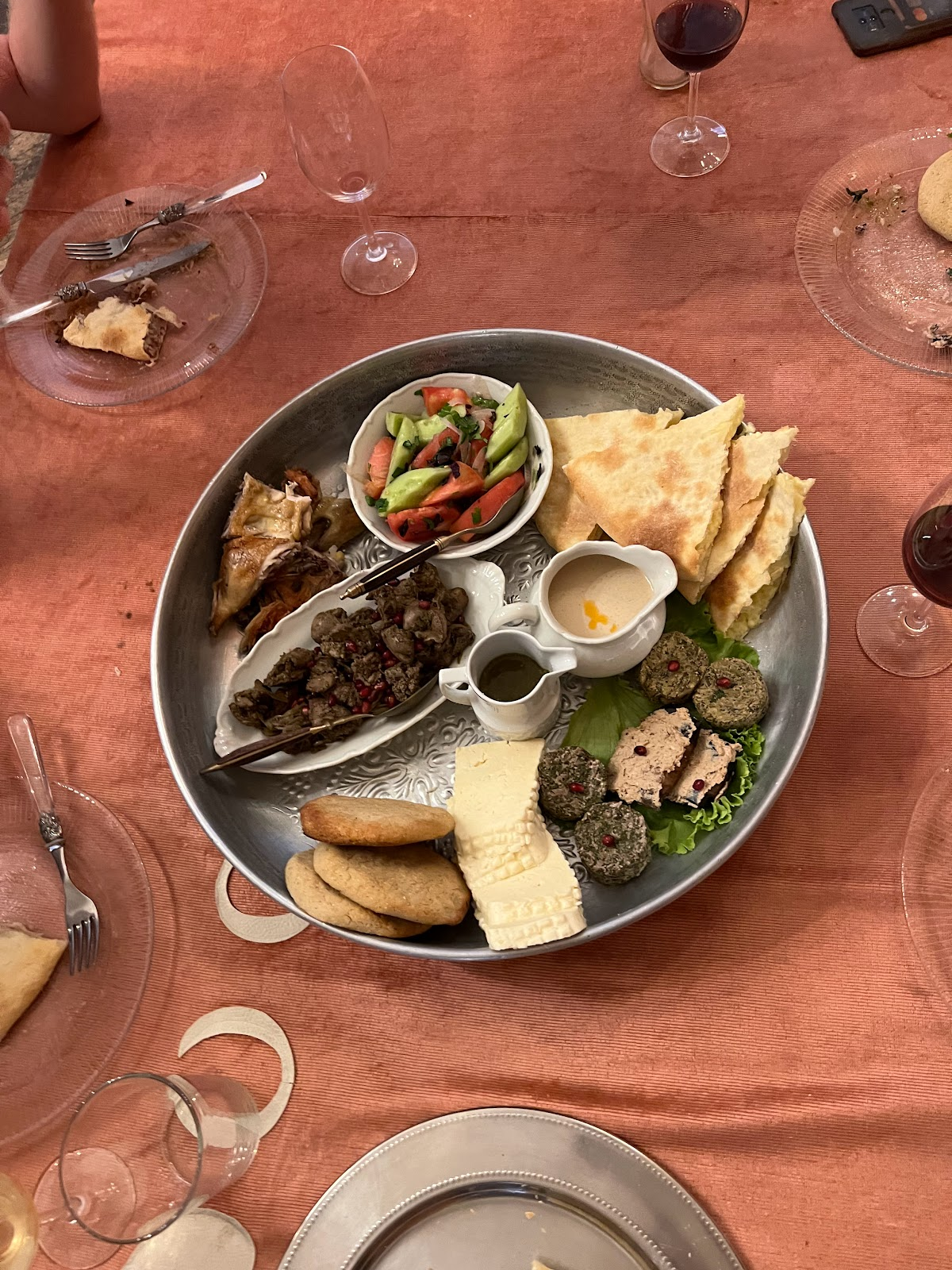
- Klike’s Khinkali: straight up, the best khinkali (Georgian dumplings) in Georgia, bursting with fresh herbs and spices. The mushroom ones are the best.
- Kitayka: an Asian mash-up with tasty, spicy sauces. Great for big groups; order lots and share.
- Fabrika: a hip hostel complex full of shops, bars and restaurants. My favourites are PIPES Burger Joint and Farina Pizza: high quality and not too pricey.
- Mapshalia: super cheap and very local. When I went, a table of Georgians was eating one minute and breaking into song the next, with their own little Georgian guitar. That’s normal here, and really fun.
- More upscale: 144 Stairs, Qandara, Cafe Littera, Brasserie Buvette, Restaurant Dumas, Georgian House and Shavi Lomi.
Who Georgia is right for
Georgia is for anyone looking for culture, nature and somewhere off the beaten path, or who wants something with European vibes, history and culture without European prices and crowds. It’s not the place for ultra-luxury travellers who won’t settle for less.
Vacation vs sabbatical in Georgia
A one-week vacation in Georgia is Tbilisi, a day trip to the wine country and a day in Kazbegi. It’s a great trip, and it’s mostly recovery.
One to two months gives you room for the things that actually change you: rest in Tbilisi between trips, adventure in Svaneti and Tusheti, real connection with the families who host you in the mountains, and learning something new, from qvevri wine to a few words of Georgian. That mix is what my sabbatical framework is built around. If you’re working out what a longer trip like this costs, start with my guide to making a sabbatical budget.
Before you go
- Visa: citizens of the US, UK, New Zealand, Australia, Canada, the EU and many other countries can stay visa-free for up to a year. When the year is up, you need to leave and re-enter to start a new stay. Check the rules for your passport on Georgia’s official e-visa site.
- Travel insurance: reports say health and accident insurance has been required for visitors since January 2026. Confirm before you go, and get it either way.
- Driving: Georgian drivers lean toward scary. Renting a car is convenient and inexpensive, but stay alert, slow down when an oncoming car is in your lane, and slow down when you’re being overtaken. Never drive yourself to Tusheti.
- Drivers and trains: hiring a driver is easy through GoTrip or a local operator. Trains reach a few places, like Batumi, but won’t get you around the whole country.
- Border areas: Russia occupies two regions of Georgia, Abkhazia and South Ossetia, and you can’t visit them. Some treks near the northern border pass checkpoints, so carry your passport, for example on the hikes to the Kazbek glacier, the Truso Valley and the Shkhara Glacier.
- Politics: there have been regular political protests in central Tbilisi. Avoid large demonstrations, especially around Rustaveli Avenue and Parliament.
- Language: many young people in Tbilisi speak English, but outside the capital you’ll mostly hear Georgian and Russian. Learning a few Georgian words helps a lot.
- More reading: Wander-Lush has tons of really great Georgia information.
If you’re planning a career break that includes Georgia, I’d be happy to meet for a virtual coffee: https://calendly.com/b_adventuras/adventuras-sabbatical-free-consultation
Frequently asked questions about Georgia
How long do you need in Georgia?
At least two weeks for Tbilisi, the Kakheti wine region and Kazbegi. One to two months lets you add Svaneti, Kutaisi and the Black Sea coast, and settle into Tbilisi as a base.
Is Georgia in Europe or Asia?
It sits where Europe and Asia meet, in the Caucasus, on the eastern shore of the Black Sea. It borders Russia, Turkey, Armenia and Azerbaijan, and culturally it often feels European.
What is Georgia known for?
Wine above all: evidence of winemaking there goes back about 8,000 years, and its traditional qvevri method is on UNESCO’s intangible heritage list. It’s also known for the Caucasus Mountains, its hospitality, its food and Tbilisi’s nightlife and art scene.
Do you need a visa for Georgia?
Citizens of the US, UK, New Zealand, Australia, Canada, the EU and many other countries can stay visa-free for up to a year. Check the rules for your passport on Georgia’s official e-visa site, evisa.gov.ge.
When is the best time to visit Georgia?
May to June and September to October have the mildest weather and fewer crowds. July and August are peak season and the best time for the high mountains, and the road to Tusheti is only open in summer. Skiing runs from about mid-December to March.
Is Georgia expensive?
It’s fairly inexpensive compared with Western Europe. Luxury options are limited, but good boutique hotels and restaurants cost much less than their European equivalents.
Is it safe to drive in Georgia?
It’s doable, but drivers can be aggressive. Stay alert, slow down for overtaking and oncoming cars in your lane, and never drive yourself to Tusheti; hire a local driver instead.
Is Georgia safe to visit?
Most visitors have no problems. Avoid the Russian-occupied regions of Abkhazia and South Ossetia, carry your passport on treks near the northern border, and steer clear of political protests in central Tbilisi.
Sources
- Wine history: Smithsonian, UNESCO (qvevri)
- Ushguli: Wikipedia
- Telavi plane tree: Georgia Travel
- Svan language: Britannica
- Tusheti road: Dangerous Roads
- Best time to visit: Wander-Lush
- Visa: GOV.UK, living in Georgia
- Insurance: Travel with Wandr
- Safety: check travel.state.gov, GOV.UK and SafeTravel NZ before you go