
Whether you’re on a sabbatical or a vacation, a road trip is never a bad idea.
If your goal is to have an action packed road trip in south western USA while transforming the way you see this area of the country, this short guide is for you.
Two Weeks. Four States. Thousands of Years of Presence.
When my English boyfriend told me he’d never been to a U.S. national park, I knew we had to fix that. So the last time we visited my family, we hit the road: two weeks across the Four Corners, from Colorado to New Mexico to Arizona and back.
In this blog, I will recount the major steps we took while giving you a glimpse into how important and sacred these stops are. The goal is to transform your road trip so that you can appreciate how deeply these areas are rooted in the history of America.
At first, it was about the highlights: Mesa Verde, Grand Canyon, White Sands. Check, check, check.
But the more we traveled, the more I got to show him the deeper story of America. I asked him not just to look, but to listen.
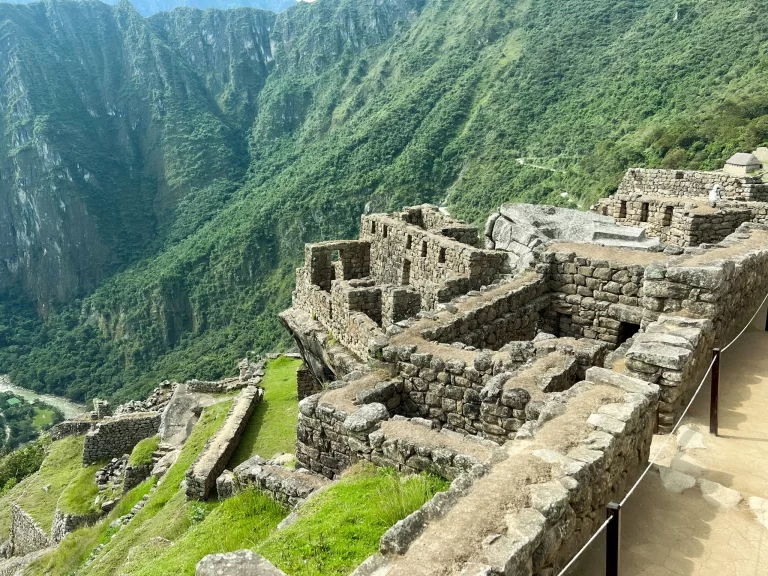
In Mesa Verde, we didn’t just “see ruins.” We walked among the homes of Ancestral Puebloans who engineered masterpieces for ceremony, astronomy, and survival.
At the Great Sand Dunes, we climbed North America’s highest sand dunes. But they weren’t empty, they were ancient. Ute and Apache peoples have called this place sacred for over 11,000 years.
At the Four Corners Monument, we stood at the intersection of four states– managed not by the U.S. government, but by the Navajo Nation and Ute Mountain Ute Tribe.. A moment where modern borders meet ancestral sovereignty.
At the Grand Canyon, we watched light shift across the cliffs like breath. But beneath the awe, we felt the reverence. This canyon is sacred– its rim lined with shrines, its depths woven into Hopi, Havasupai, and Navajo creation stories. It reminded us that wonder and worship can live in the same place.
And at White Sands, we found fossilized footprints– proof that humans have been here for 23,000 years. The science only just catching up to what oral traditions already know.
Even our pit stop at the Burger King in Kayenta in northern Arizona made for a history lesson– it’s home to a small but mighty exhibit honoring the Navajo Code Talkers of WWII. A powerful reminder: history lives in unexpected places. And if you’re starting a longer break in the US, Castle Hot Springs in Arizona is one of my top five places to begin a sabbatical.
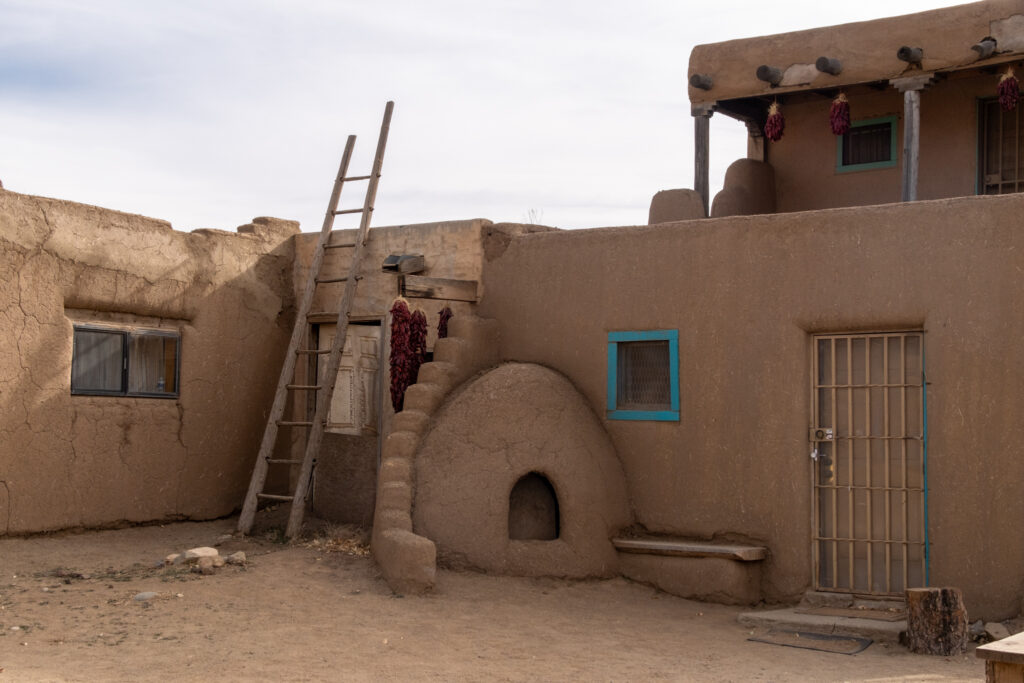
In Santa Fe, we wandered adobe-lined streets, visited artist-run co-ops, and felt the creative pulse of a place shaped by centuries of cultural layering. And at Taos Pueblo, we stood within a living village that’s been continuously inhabited for over 1,000 years and heard about the success story of a Native Community winning back the rights to its sacred land.
This wasn’t just a road trip. It was a shift in perspective. From checklist to connection. From “seeing the sights” to witnessing the stories. Two weeks went fast. If you have longer, here’s why I’m such a believer in slow travel.
If you’re craving a journey like that– one that transforms as much as it inspires– I’d love to help guide it.
Let me know about your next trip in the inquiry box below.
The quick answer
A two-week Four Corners road trip can loop from Colorado through New Mexico and Arizona and back, taking in Mesa Verde, the Great Sand Dunes, the Four Corners Monument, the Grand Canyon, White Sands, Santa Fe and Taos Pueblo. What makes it eye-opening is the history: these places have been home to, and sacred to, Ancestral Puebloan, Ute, Apache, Navajo, Hopi and Havasupai peoples for thousands of years.
Frequently asked questions
How long do you need for a Four Corners road trip?
Two weeks is enough for a Four Corners loop from Colorado to New Mexico to Arizona and back, with time for Mesa Verde, the Great Sand Dunes, the Grand Canyon, White Sands, Santa Fe and Taos Pueblo.
Who manages the Four Corners Monument?
The Four Corners Monument is managed by the Navajo Nation and the Ute Mountain Ute Tribe, not the U.S. government.
Why is the Great Sand Dunes National Park sacred?
The Great Sand Dunes in Colorado are North America’s highest sand dunes, and Ute and Apache peoples have considered the place sacred for over 11,000 years.
What is special about White Sands National Park?
White Sands in New Mexico has fossilized human footprints showing that people have been there for 23,000 years.
Where can you learn about the Navajo Code Talkers in Arizona?
The Burger King in Kayenta, in northern Arizona, has a small exhibit honoring the Navajo Code Talkers of WWII, an easy pit stop on a Four Corners road trip.