
These days, it’s easier than ever to travel around the world. There are more travel routes, information is more accessible, and technology has given us the ability to translate languages, follow maps, and even connect with others in ways we never have before. Yet still, actually deciding where you want to travel might be more difficult now than it has ever been before.
This is because of the paradox of choice. Now that social media and the internet let us see almost every corner of the world, the list of destinations where we can (and want to) go grows bigger and bigger every day. This can leave travelers wondering whether they chose the right location or even give them decision fatigue before they’ve planned their trip.
There’s one way to narrow down your travel destination from the pool of thousands of cities and countries to choose from: traveling with a hobby in mind. Traveling with a hobby in mind simplifies decisions and deepens the experience. When you’re on a sabbatical trip or career break, hobbies can make your long-term travel more sustainable and enjoyable.
Table of Contents
- Why Travel Feels More Meaningful With a Hobby
- Case Study: Letting Curiosity Lead the Way
- The Broader Takeaway: Hobbies as a Travel Philosophy
- Practical Ways to Travel With a Hobby in Mind
- Closing Reflection
Why Travel Feels More Meaningful With a Hobby
Traveling can feel more meaningful when you do it with a hobby in mind. It doesn’t mean that the focus of your trip or vacation needs to be all about a hobby, but just using a hobby to softly guide travel decisions can enhance your trip in ways you wouldn’t expect. Of course, it makes deciding where to go easier, but it can also bring depth to your travel that you didn’t have before.
For one, doing a hobby while traveling can help build community and routine. These are hugely important as a long-term traveler on a sabbatical trip or career break. Without any community or routine, your trip can quickly turn into a longer, less-meaningful vacation. Using a hobby to meet locals or other travelers will broaden your experience and make sure you are getting everything you can out of your time off.
Another way that traveling with a hobby in mind can make your trip more meaningful is that it encourages depth over surface-level sightseeing. Maybe you love painting and have always wanted to learn more about impressionism. Before you let your painting hobby help guide your travel, you would go to major cities, knock out the “top things to do” list, rinse and repeat. Now, instead, you decided to let your love of impressionism lead you to France, where you are planning not only to hit some of the classic touristy spots, but you will also do a one-week painting workshop in a small village. Just by letting your love of painting help guide your travel, you’ve instantly set yourself up for a richer and more meaningful travel experience.
Case Study: Letting Curiosity Lead the Way
Here’s an excerpt from our team’s recent newsletter that discusses how hobbies have impacted their travel:
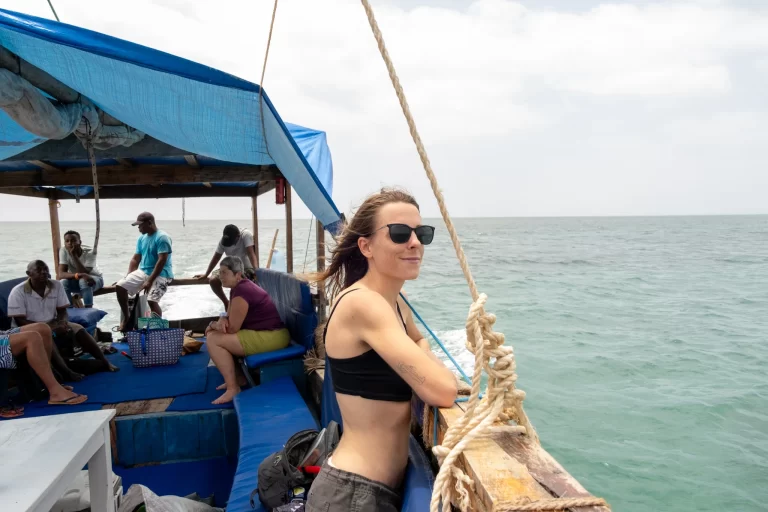
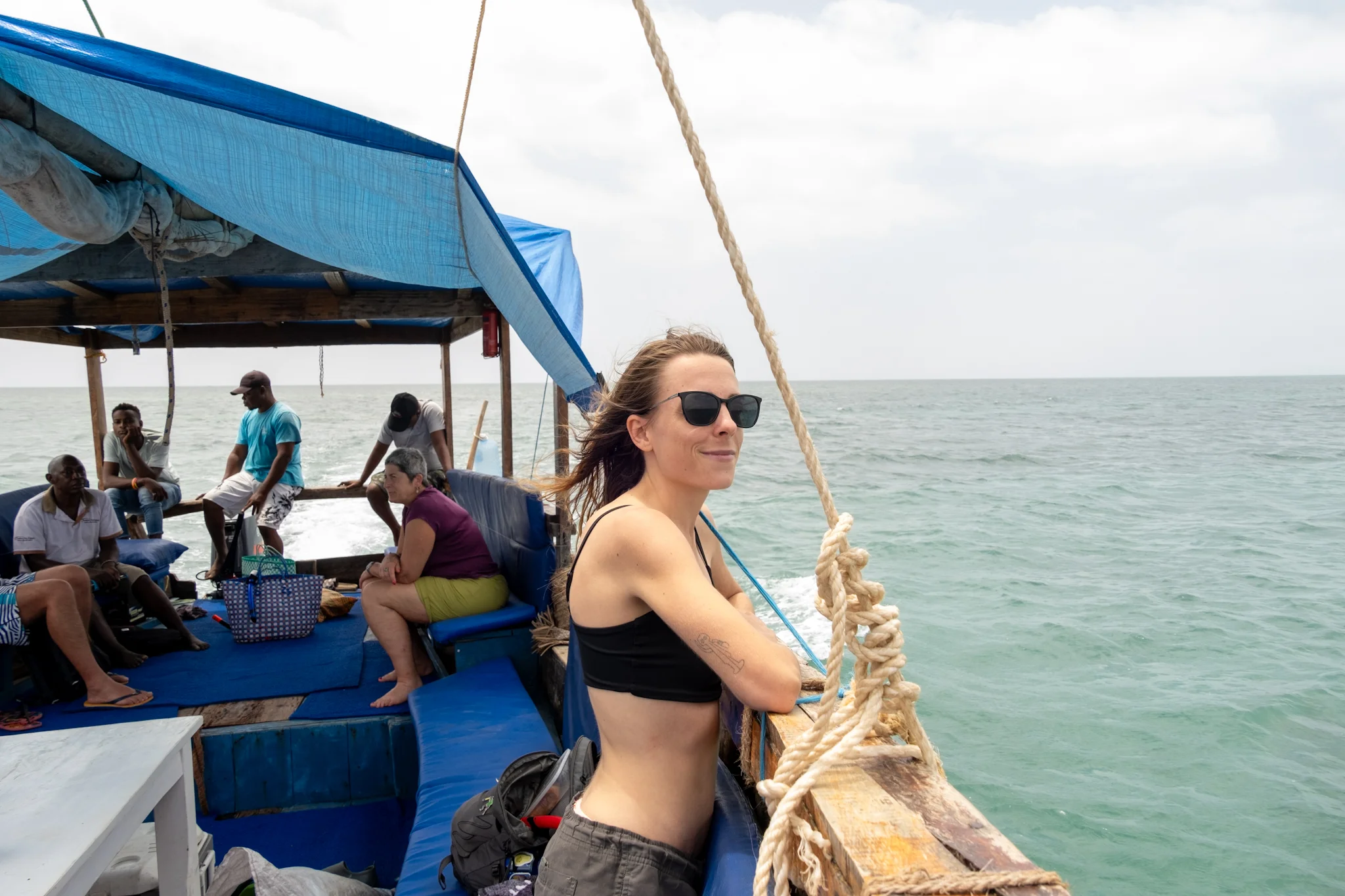
I came to Thailand this winter because I wanted to dive. Diving led me to quieter coastlines and underwater worlds I wouldn’t have found on a typical itinerary—like Nilaveli in Sri Lanka, where snorkeling and diving put me face-to-face with sharks and into a community of people who organize their lives around the sea.
Muay Thai was pure accident. A friend was training. I tagged along. And suddenly I was learning a sport I never imagined I’d try—let alone fall in love with. That curiosity eventually led me to sign up for the wildest thing I’ve ever done: getting in a ring to fight.

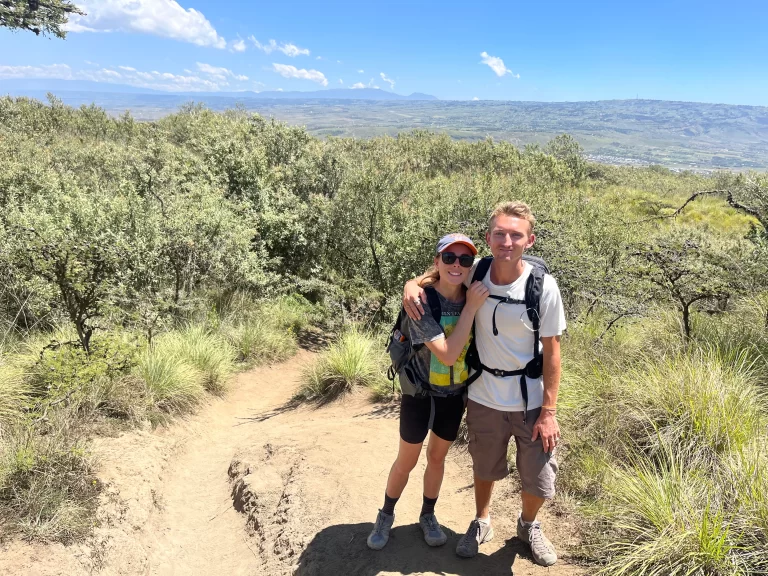
Surfing, scuba diving, Muay Thai, hiking—each one didn’t just change how I traveled, but who I became while traveling. They opened doors to places I never would’ve chosen on a map and awakened parts of myself I didn’t know were waiting (hello, fitness… and discipline… and confidence).
That’s the power of letting hobbies lead: you stop trying to see everything, and instead, you start diving deeper into your true self. More often than not, it’s the things outside your comfort zone that are the catalyst for the biggest alterations in your life path…
Right now I am living in the Canary Islands, Spain. Many people come here for the surfing, and while I love surfing, it doesn’t excite me like some other hobbies. Still, I leaned into the surf life for my first month, partly because surfing is a good time but more so to build a community and make some friends. I used the hobby of surfing to help me get settled and feel a bit more grounded in a new place.
Now, I’m barely surfing at all. That’s because I decided to lean into some other hobbies that I enjoy a bit more. I’m playing more basketball and padel tennis now(sometimes with friends I actually made while surfing). Those hobbies have allowed me to meet even more people, and I am getting to play my favorite sport, basketball, and learning a new hobby in padel.
Sports aren’t the only way to make friends, learn something new, or grow while traveling, either. When I lived in Mexico City, playing chess was what helped me make friends and connect with locals.
So, no matter what you are into, leaning into a hobby while you travel is so valuable. You can find like-minded people, learn something new, or build upon past skills or interests with new people in a new place. And trust me, whether your thing is pottery or Pokémon cards, there’s someone else interested in the same thing, no matter where you are in the world.
The Broader Takeaway: Hobbies as a Travel Philosophy
When you are on a sabbatical or a career break, long-term travel can wear you out. Being in a state of change can leave you overwhelmed or ungrounded. Bringing a hobby along with you or even learning a new one while you’re away can help ground you and keep your emotionally sustainable.
While you are taking part in a sport or activity that you love or are interested in, you’ll meet like-minded people. This means more friends, more interesting conversations, and opening doors to locations, subcultures, or even people that you never would have known about as just a regular tourist.
This leads to growth. Maybe it’s physical growth, like learning a new sport or getting into a hobby like hiking. Sometimes it’s mental growth. That could be a meditation retreat or taking an art class. Of course, they can almost always help you grow socially as well.
Above all of that, having a hobby that you do while long-term traveling can make your travels feel more like real life and not just a temporary escape. When you are on a career break or sabbatical trip, it is so easy to feel like you’re just escaping your old life. With hobbies, you can stay connected to real life and not just be another tourist on a longer vacation.
Practical Ways to Travel With a Hobby in Mind
- Choose a destination based on a specific interest (surf towns, dive hubs, chess cafés, art studios, etc.).
- Join local clubs, classes, or meetups.
- Commit to a short-term goal (competition, performance, certification, exhibition).
- Try one new hobby per long-term stay.
- Let go of the need to “see everything.”
Ok so you’ve got an idea of a hobby you love or one you’d like to try, what’s next? First thing is first, choose a destination that is somewhat based on your specific interest. That might mean heading to Indonesia instead of Thailand to explore your love of Scuba Diving. Or maybe you want to dive into your passion for fashion, so you chose to visit Italy instead of Switzerland for your European vacation. Letting your hobby guide your destination choices makes it much easier to avoid that classic decision paralysis.
Once you’ve arrived (or even before), you can start diving into your hobby. This might mean joining a club or class, or going to meetups focused on whatever your special interest is. This means meeting new people, learning more about the culture of wherever you are, and giving back to the community you’re traveling in not just taking from it.
One practical way to incorporate hobbies into life while long term traveling is choosing one focus per long-stay. Whether you’re on a sabbatical adventure, taking a career break, or a digital nomad traveling all the time, staying longer in different locations is essential. When you have those long stays, pick one hobby that you want to focus on and let that enhance your time wherever you are. This will help you let go of the need to “see everything” and will help you gain more authentic experiences throughout your trip.
Closing Reflection
Long-term travel doesn’t have to be a blur of airports, Airbnb check-ins, and bucket-list attractions. It can be layered, grounding, and deeply personal. The difference often comes down to how you do it.
When you let a hobby guide your travels, you shift from consuming a destination to participating in it. You build routines. You find community. You trade surface-level sightseeing for real conversations, shared practices, and incremental growth.
That’s the real opportunity of a sabbatical or career break. Not just to change locations, but to expand yourself. Whether it’s training Muy Thai in Thailand, playing chess in Mexico City, joining a local basketball run, or signing up for a pottery class in a town you’d never otherwise visit, hobbies give your travel structure without rigidity. They keep you connected to real life while you’re far from home.
So if you’re feeling overwhelmed by options or unsure where to go next, don’t start with a map. Start with your curiosity. Pick the thing that lights you up (or even just intrigues you) and let that lead.
You might not see everything.
But you’ll experience something much deeper than most travelers can.