
Think about a European sabbatical destination. Paris. Amsterdam. Prague. London. If you’ve spent any time researching a sabbatical in Europe, you’ve seen these names on every list. There certainly is a reason for that, but arriving somewhere that ten million other people visited last year is a different experience than arriving somewhere that will give you an authentic sabbatical experience.
Western Europe has a lot more to offer than just the capital cities. Beyond the postcard destinations, there are cities and regions that have the same quality of food, incredible culture, and infrastructure with a fraction of the noise. For someone taking a career break or sabbatical trip, that distinction matters more than you’d think.
Here are four underrated Western European destinations that deserve serious consideration.
Table of Contents
- Lyon, France
- Ticino, Switzerland
- Freiburg, Germany
- Ghent, Belgium
- So Why Western Europe?
1. Lyon, France
Everyone calls Lyon France’s culinary capital. Still, most people skip it. That’s a mistake you don’t want to make. The real case for Lyon isn’t the Michelin stars, it’s the bouchons: small, cash-only, smoke-stained bistros where the menu hasn’t changed in decades and the wine comes in a ceramic pot. You sit down, you eat what they’re making, and somewhere between the second course and the cheese you realize the French food you’ve been eating elsewhere can’t compare.
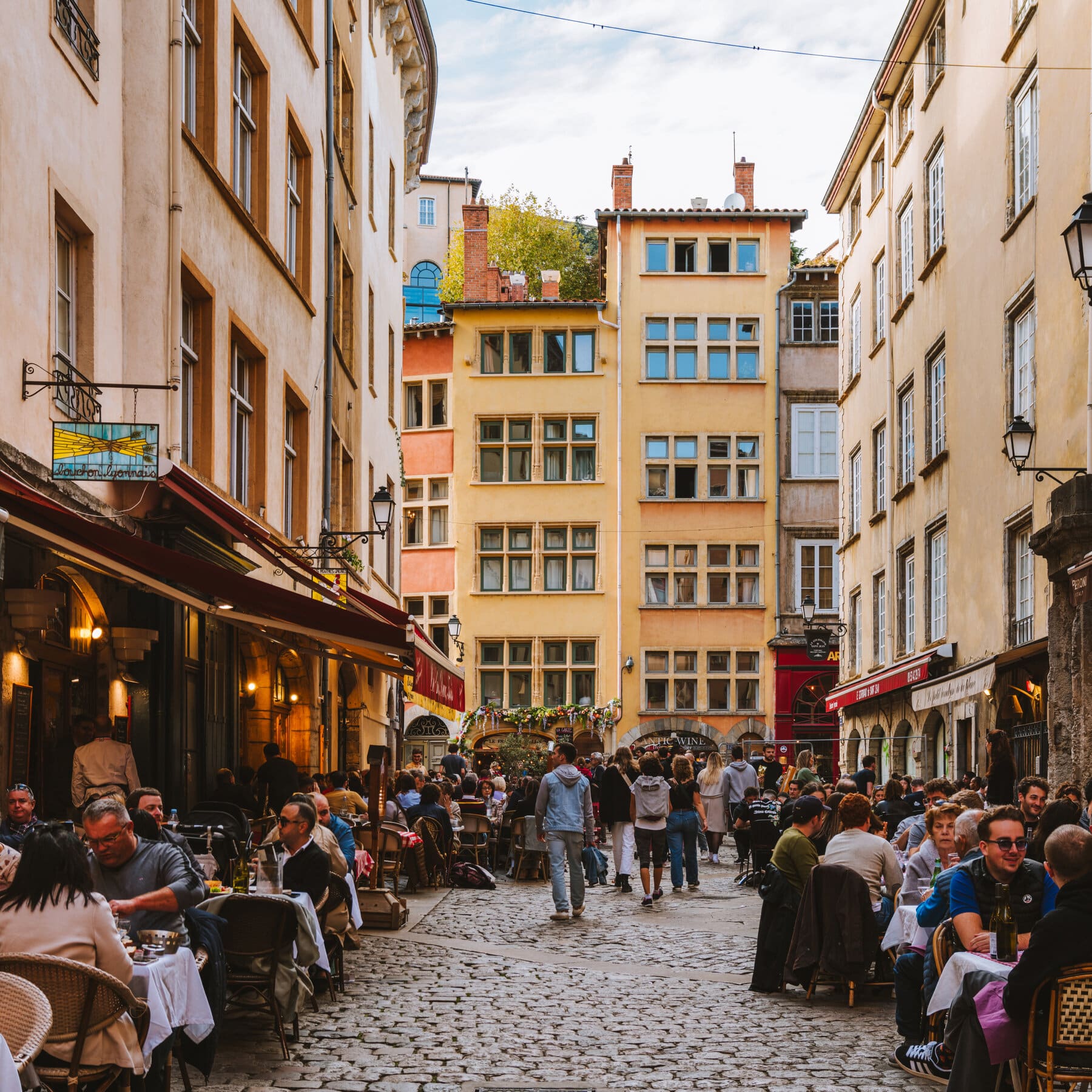
Situated at the merging of the Rhône and Saône rivers, Lyon isn’t just a beautiful place to eat. It has the museums, the architecture, the cultural calendar, and the quality of life you’d expect from a major French city, but none of the overcrowded exhaustion that can come with Paris. Take the Vieux-Lyon neighborhood for example. It is a UNESCO World Heritage Site, a dense maze of Renaissance-era streets and covered passageways called traboules, and yet you’ve never heard of it. You can spend days in there and still find something new.
For career break takers on a sabbatical, the rhythm of Lyon is one of its biggest selling points. Markets run most mornings. Sundays actually feel like a day of rest. The city has an energy that lets you slow down rather than trying to keep pace with it. And the surrounding region, with Burgundy to the north and Provence to the south, means that a well-placed rental car can extend your sabbatical across some of the most scenic roads and into the best wine country in the world.
What to Do in Lyon:
- Eat your way through Les Halles de Lyon Paul Bocuse market on a weekday morning
- Wander the traboules of Vieux-Lyon before the day tours arrive
- Take a day trip into Beaujolais wine country
- Hike up to the Basilica of Notre-Dame de Fourvière for views across the city
- Catch a performance at the Opéra de Lyon
2. Ticino, Switzerland
Most people picture Switzerland as Geneva, Zurich, or ski slopes. Ticino, the Italian-speaking canton way over on the southern tip of the country, is something different entirely. Palm trees line the shores of Lake Lugano and Lake Maggiore. The villages are built in the Lombard style, with terracotta rooftops and shaded piazzas. The official language is Italian. And yet the trains run on time, the infrastructure is flawless, and the healthcare system is among the best in the world.
What makes Ticino work as a sabbatical destination is the contrast it offers within a small geography. A morning hike through pre-Alpine valleys. An afternoon on the lake. An evening in Lugano with good wine and better food. The place is Italian in spirit but elevated by Swiss standards. Day trips into northern Italy, including Milan and the Italian lakes, are easy from anywhere in the canton. You get the warmth and ease of the Mediterranean with the reliability of Switzerland underneath it all.
The honest caveat is cost. Switzerland is expensive, and Ticino is no exception. But for professionals with a sabbatical budget built to truly enjoy the best in the world, the quality of experience here justifies it. Everyone knows there’s a different feeling that comes with living on a lake, Ticino has that tenfold.
What to Do in Ticino:
- Hike the Cardada-Cimetta ridge above Locarno for panoramic Alpine views
- Spend a morning kayaking on Lake Lugano
- Take the train to Milan for a day of museums, food, and people-watching
- Visit the medieval Castelgrande fortress in Bellinzona, a UNESCO World Heritage Site
- Explore the lakeside village of Morcote, one of the most beautiful in Switzerland
3. Freiburg, Germany
Germany doesn’t always make the sabbatical shortlist. For whatever reason it doesn’t bring the same excitement as many of the cities in countries like France do. Freiburg should change that. It’s a university city in the southwest corner of the country, right at the edge of the Black Forest, and it has the kind of livability that makes you understand why it’s considered one of Germany’s gems.
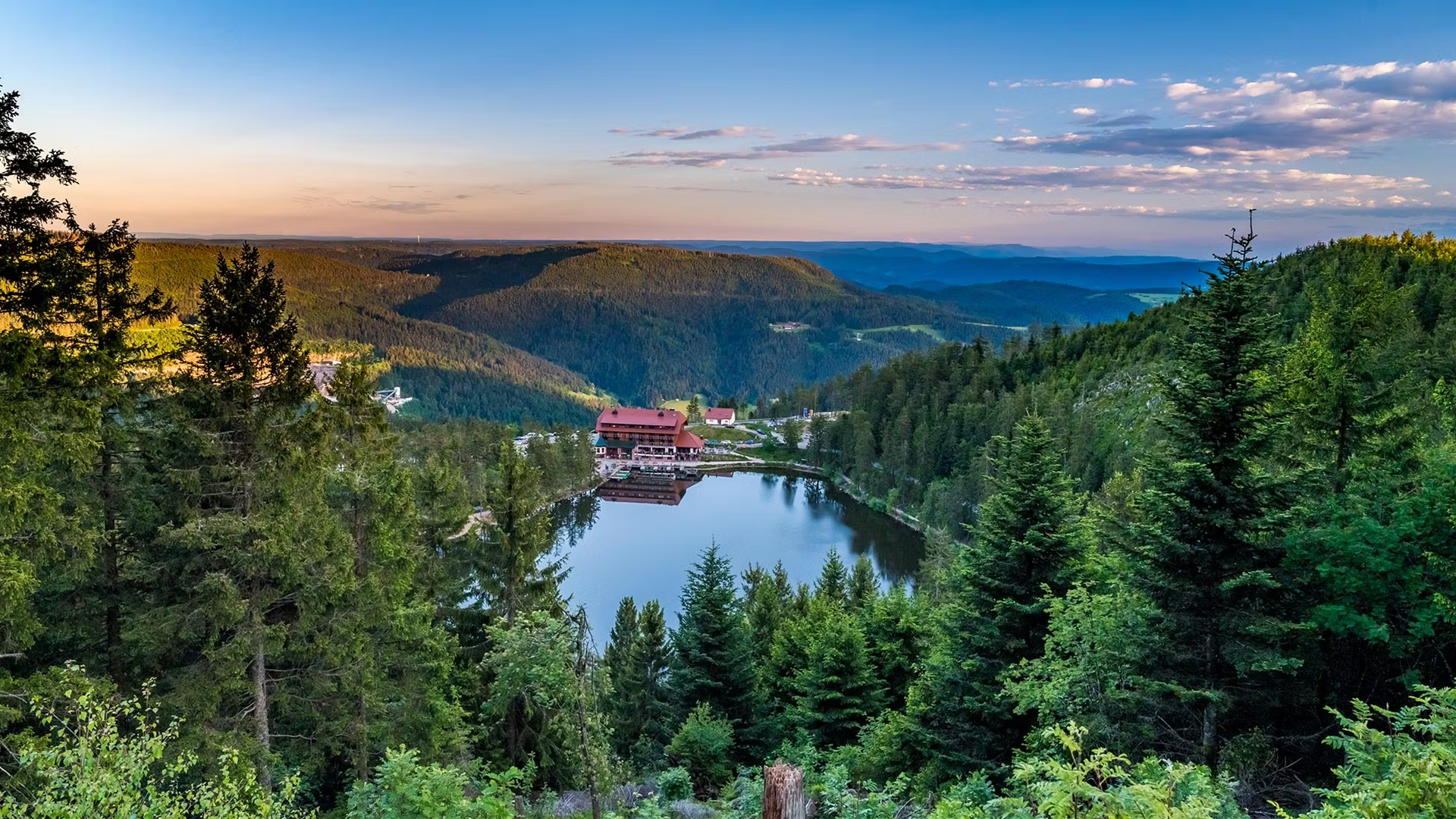
The Black Forest begins essentially at the city limits. On a clear morning you can be deep in the trees within twenty minutes of leaving your front door, and by early afternoon you can be back in the old town, sitting at a market stall with a cold glass of German beer. The Münstermarkt, the farmers’ market that runs around the cathedral most days of the week, is one of the best daily markets in Europe. The cathedral itself took five centuries to build and is worth an hour of your time just standing in front of it.
What also makes Freiburg interesting is its location. Basel is 45 minutes away. The Alsace wine region is across the Rhine. Strasbourg is less than an hour and a half by train. For a sabbatical traveler who wants a quiet, affordable German base with easy access to France and Switzerland, this is a seriously underrated option.
What to Do in Freiburg:
- Hike the Schlossberg hill above the old town for morning views over the city
- Pick a Black Forest trail and spend a full day in the trees
- Browse the Münstermarkt on a Saturday morning
- Take the train to Basel for a day of world-class contemporary art at Art Basel’s home turf
- Rent a bike and follow the Rhine cycle path south toward Switzerland
4. Ghent, Belgium
Most people who visit Belgium go to Brussels or Bruges. Bruges is genuinely beautiful, but it is also one of the most visited small cities in Europe, and the experience reflects that. Ghent is 30 minutes away by train, twice the size, and almost entirely overlooked by international tourists. That gap is one of the best quiet opportunities in Western Europe right now.
The city really is remarkable. Medieval guildhalls line the Graslei waterfront. Three castles sit within walking distance of each other. The Ghent Altarpiece at St. Bavo’s Cathedral is one of the most significant paintings in Western art and you can stand in front of it without a crowd breathing down your neck. But what makes Ghent interesting for a longer stay rather than a day trip is that it actually functions as a real city. Students fill the cafes. The restaurant scene is built for locals. You won’t see crowds of tourists walking on all the main roads.
The Belgian rail network also makes Ghent an exceptional base. Bruges, Brussels, Antwerp, and Amsterdam are all within easy reach. If you want to use one city as a launchpad for wider Western Europe without paying Paris or Amsterdam prices, Ghent is a base you really need to consider.
What to Do in Ghent:
- Visit the Ghent Altarpiece at St. Bavo’s Cathedral
- Take a canal boat through the medieval center at dusk
- Spend a morning at the Vrijdagmarkt on market day
- Day trip to Bruges, Antwerp, or Brussels by train
- Work through the genever list at a traditional Ghent tavern
So Why Western Europe?
For some, Western Europe gets written off as somewhere too obvious, too expensive, too visited. However, that reputation is built on a handful of cities that everyone goes to. Move one step sideways and you find places with all the infrastructure and cultural richness that makes this part of the world so compelling, without the feeling that you’re moving through someone else’s itinerary.
The right sabbatical destination is the one that gives you room to actually settle in. Not weaving your way through crowds of tourists. These four underrated European sabbatical destinations do exactly that.