
India isn’t often the first country that comes to mind when planning a trip around the world. They think it’s too chaotic, too overwhelming, too hard to navigate. And to be honest, India is all of those things. It is also one of the most alive, most colorful, most genuinely perspective-shifting places on the planet, and no amount of reading about it prepares you for what it actually feels like to be there.
Northern India in particular is made for the kind of slow, intentional travel that a sabbatical makes possible. You can spend months here and still feel like you’ve only just begun. The history could fill a lifetime of reading. The food changes every hundred kilometers. The people are some of the most generous and curious you will encounter anywhere in the world.
If you’ve been on the fence about India, it’s time to jump off.
Table of Contents
- Don’t Make the Golden Triangle Your Whole Trip
- Rajasthan Will Rewire How You See the World
- Varanasi is a Pilgrimage, Not a Tourist Attraction
- The Wildlife Will Stop You in Your Tracks
- India Will Force You to Grow
- Opportunities to Give Back
- A Few Practical Things Worth Knowing
- Your Northern India Sabbatical Awaits
- Amazing Things to Do in Northern India
Don’t Make the Golden Triangle Your Whole Trip
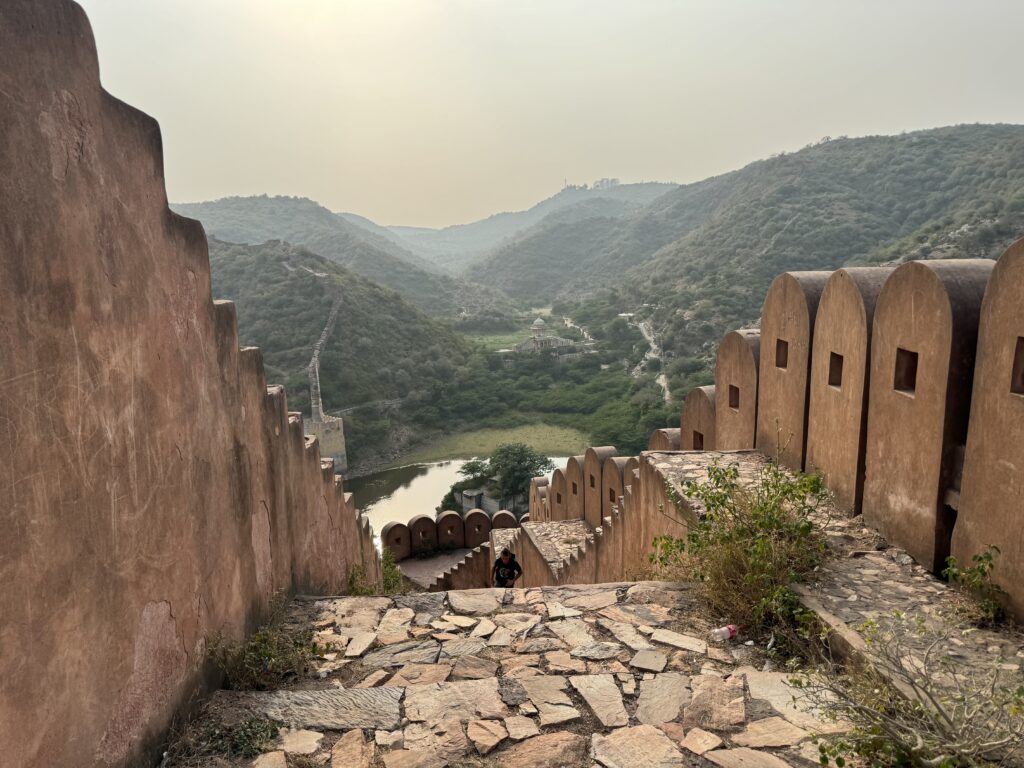
Delhi, Agra, Jaipur. The Golden Triangle is the most traveled route in India and for good reason: it holds some of the most iconic sights on the planet. If this is your first time in India, you will likely pass through it. That’s fine. Just don’t make it the entire trip.
Travelers who only do the Triangle and leave thinking they’ve seen India have it all wrong. The country is too vast, too varied, too layered for any three cities to represent it. What the Triangle does well is orient you. Delhi’s chaos becomes navigable after a few days. The Taj Mahal takes your breath away in person regardless of how many photos you’ve seen. Jaipur gives you a first taste of what Rajasthan will show you if you keep going west.
The mistake most people make is spending too little time here and rushing the wrong things. Old Delhi’s Chandni Chowk is one of the great food streets in the world and deserves a full morning. Fatehpur Sikri, a perfectly preserved Mughal ghost city just outside Agra, gets skipped by most tourists entirely. Use the Triangle as a launchpad, not a destination, and your whole India experience changes.
Rajasthan Will Rewire How You See the World
This single state carries more diversity than most countries. The Pink City of Jaipur, the Blue City of Jodhpur, the Yellow City of Jaisalmer rising out of the Thar Desert, Pushkar with its sacred lake and one of the only Brahma temples in the world, and Udaipur, which sits across a series of shimmering lakes and is secretly one of the most beautiful cities in the country.
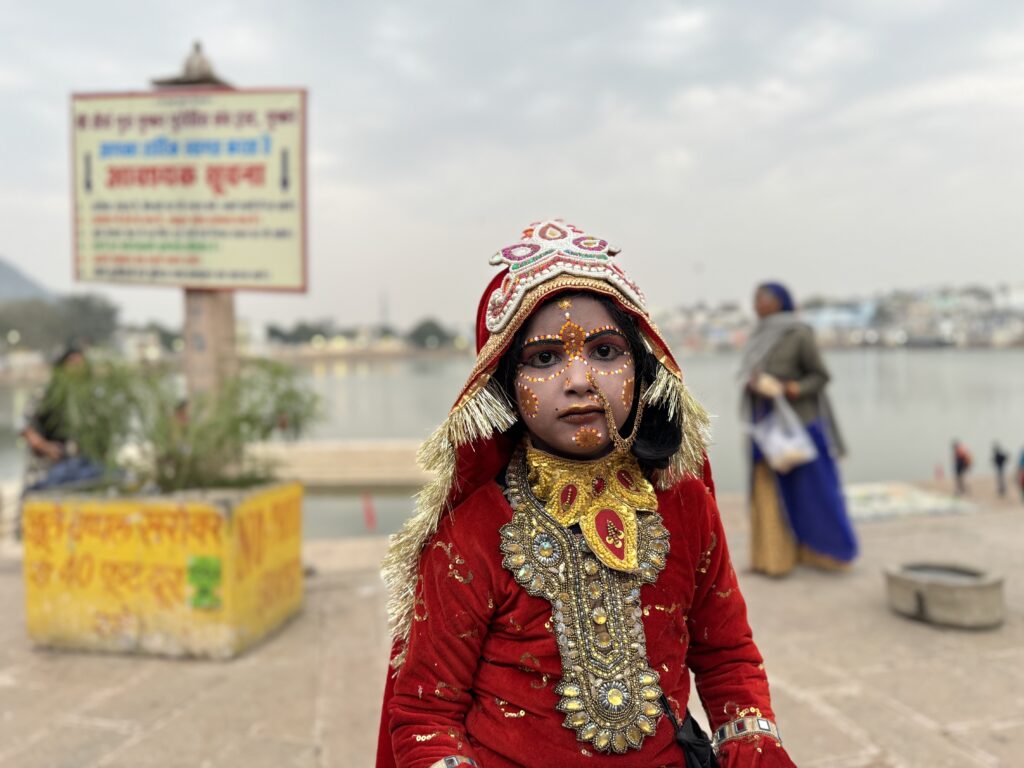
Pushkar deserves a special mention. Most people outside of India have never heard of it, but it is one of the holiest cities in all of northern India, second only to Varanasi in religious significance for Hindus. Every year it hosts the Pushkar Camel Fair, one of the most extraordinary events on the planet: tens of thousands of camels, horses, and livestock descend on the desert town alongside pilgrims, traders, and travelers from across the country. It is also the number one destination in India to celebrate Holi, the festival of color, which is exactly as spectacular as it sounds when experienced here.
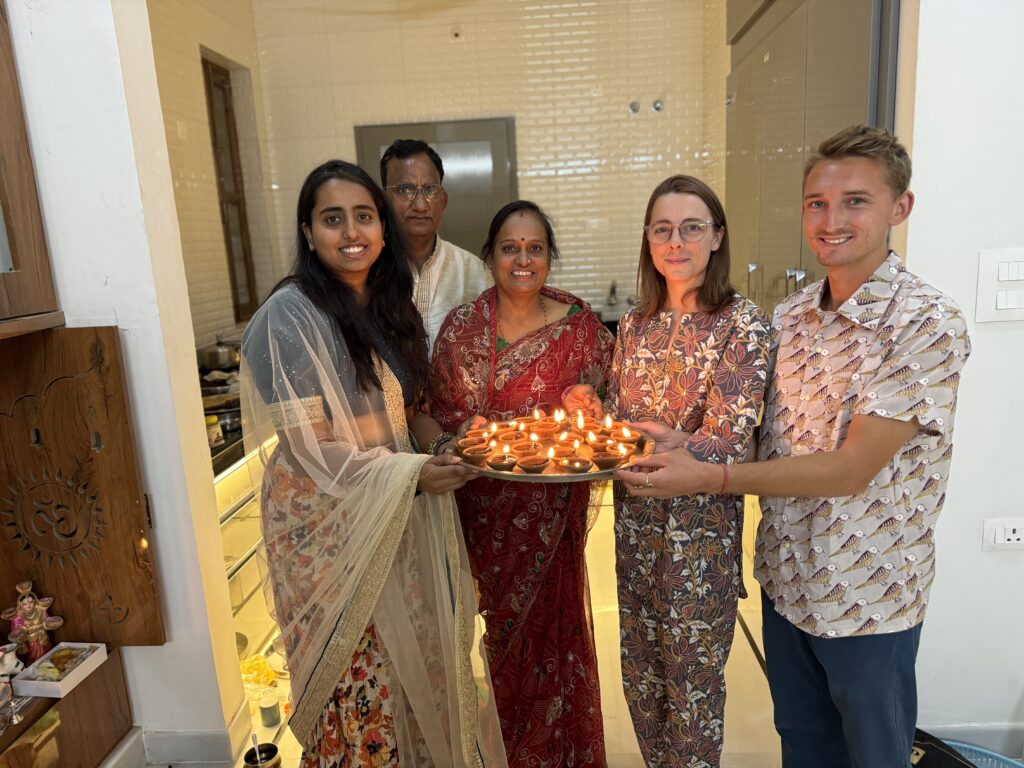
In Rajasthan, the physical beauty is just the beginning. What makes it special for a sabbatical is the human aspect. You can tour a palace in the morning and spend the afternoon on a rooftop taking a cooking class with a local family. You can sit with a miniature painter in his studio while he explains his craft and his philosophy with passionate excitement. You can accept an invitation into someone’s home, share a meal, and spend three hours talking about Hinduism, life, and the world with people who are just really excited to share with someone different than them. Those kinds of experiences don’t happen on a two-week vacation. They happen when you have time.
Varanasi is a Pilgrimage, Not a Tourist Attraction
There is nowhere else on earth like Varanasi. It is one of the oldest continuously inhabited cities in the world, sitting on the banks of the Ganges, and it has been a sacred pilgrimage site for Hindus for thousands of years. Every day, people come here to bathe in the river, to pray, to cremate their dead on the burning ghats, and to seek moksha, liberation from the cycle of rebirth.
This is not a place to rush through. Sit on the ghats in the early morning while the mist is still on the river and pilgrims are making their way into the water. Attend the Ganga Aarti ceremony at dusk, when priests perform an elaborate fire ritual on the riverbank and the air fills with incense, chanting, and the glow of a hundred oil lamps. Walk the narrow lanes of the old city and find some of the best street food you’ll ever taste. Varanasi can make you uncomfortable at points. You will see bodies burning. The poverty is visible and immediate. The city doesn’t exist for tourists, which is part of what makes it so powerful. Varanasi will put your problems in perspective faster than anything else on this list.
Varanasi can make you uncomfortable at points. You will see bodies burning. The poverty is visible and immediate. The city doesn’t exist for tourists, which is part of what makes it so powerful. Varanasi will put your problems in perspective faster than anything else on this list.
One thing worth saying: these are real people in a sacred place, not a backdrop for your travel photos. Always ask before you film or photograph. Dress modestly. Move through the ghats with the awareness that you are a guest at something deeply private and deeply holy. The more respect you bring, the more the city will give back to you.
The Wildlife That Surprises You
If seeing a wild tiger is anywhere on your sabbatical bucket list, Ranthambore National Park is where it happens. Ranthambore consistently offers the best odds of an actual sighting anywhere in India, and therefore the world. The park has one of the highest tiger densities in the country, and the landscape, dry deciduous forest broken up by rocky ridges and open lakebeds, gives you visibility that denser jungle parks simply can’t match.
The tigers here are also famously less shy than those elsewhere. Many have grown up with safari vehicles in their environment and are largely unbothered by them. Watching one move through the forest at dawn, or settle near a watering hole in the afternoon heat, is one of those experiences that instantly becomes a highlight of your entire trip. Beyond the big cats, the park holds leopards, sloth bears, mugger crocodiles, and extraordinary birdlife. The 10th-century fort sitting above the reserve, crumbling temples and palaces being slowly reclaimed by jungle with tigers living in the forests below, is one of the more surreal landscapes in India.
India Will Force You to Grow
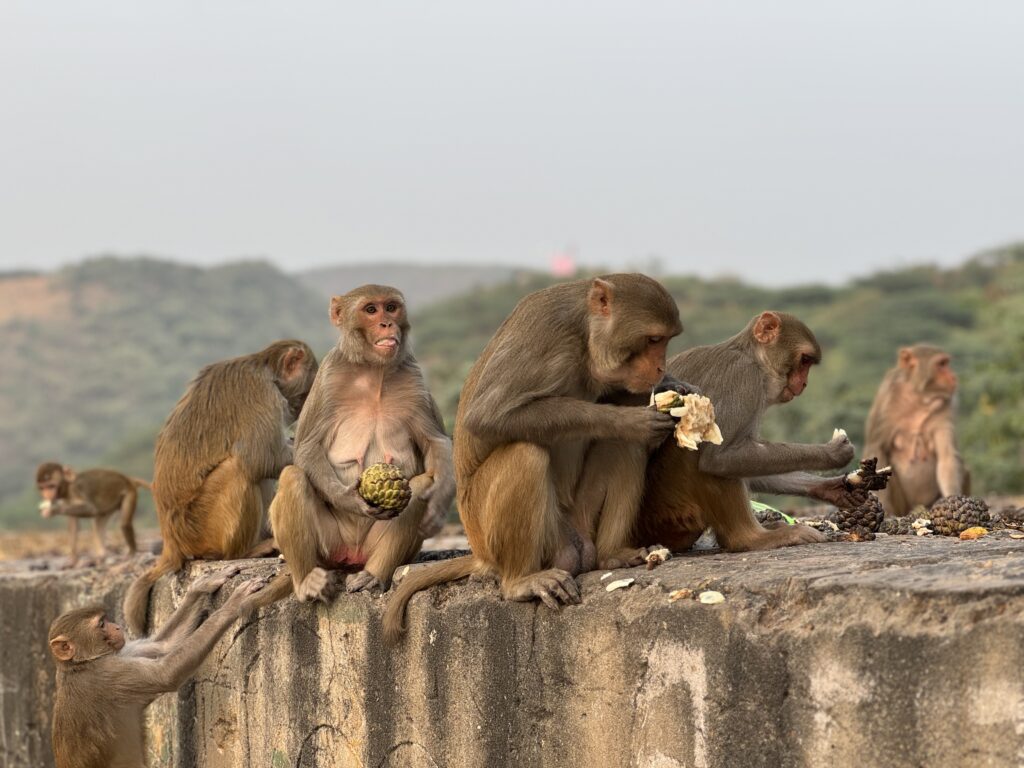
Nowhere tests your comfort zone like India. Step outside your hotel or guesthouse and personal space will stop existing. You’ll be jostled, stared at, photographed by strangers, and pulled into a million conversations you didn’t necessarily ask for. The honking is constant, but it’s not out of anger. It’s a language of its own. And no matter how immaculate a hotel lobby is, walk two minutes outside it and you’re back in the dust and grime the seems to coat everything.
None of this is a problem to be solved or an inconvenience to avoid. It’s just part of the experience. India doesn’t let you hike. It holds up a mirror and shows you exactly how you deal with chaos, discomfort, and no longer being in control. There’s no way to look away. That’s what makes traveling India uncomfortable, but also incredibly beautiful. India gives you raw humanity with no filter. Everyone is living loudly and openly in the same space together.
What makes India such a meaningful sabbatical destination is that you will learn more about yourself there than anywhere else. The country is constantly asking you: who are you when everything around you is unpredictable and outside of your control? The answer will probably humble you. However, somewhere amongst the overstimulation you can find a peace and stillness that has nothing to do with the chaos around you. It’s something you build inside because the outside will not give it to you. That’s the real transformation. Not escaping the chaos but being at ease inside of it.
Opportunities to Give Back
India has genuine and meaningful opportunities to give back, if you approach it the right way. The key, as with any volunteering on a sabbatical, is humility. India does not need saviors. It needs people willing to show up consistently, listen first, and contribute in ways the community actually asks for.
The range of opportunities is wider than many travelers would expect. Near Ranthambore there are small permaculture projects building community spaces using traditional cob construction that need volunteer help. In Sadri, a nonprofit camel conservation center works directly with the Raika, a traditional pastoralist community, to protect their camels and their way of life, and takes volunteers for stretches as short as a week. In the Thar Desert you can volunteer at family-run desert camps doing everything from hospitality work to camel care. English teaching and mentorship, like working at a school for underprivileged children in Jaipur, are widely available.
Done with the right intentions, and with real research into who you’re working with, this kind of engagement is often the most transformational part of the whole trip.
A Few Practical Things Worth Knowing
Safety in India’s major cities is worth being thoughtful about without letting it dominate your planning. It’s less about knowing the right neighborhoods and more about understanding cultural practice that are different than what you’re used to. Common scams, how to negotiate, when to walk away from a pushy vendor, how to read a situation with a “helpful” stranger. This is the kind of street smarts that comes from experience. Working with someone who’s spent time in a country means you’ll have the inside knowledge of those things before you even arrive.
The best time to visit Northern India is generally October through March, when temperatures are manageable and the skies are clear. Summers are brutal across Rajasthan and the plains, and monsoon season, while beautiful in parts of the country, changes the experience significantly. A well-planned itinerary accounts for those differences and routes you through each region at the right time of year.
India is one of the most affordable sabbatical destinations in the world. A guesthouse in Varanasi with a rooftop view of the Ganges can cost only a few dollars a night. On the other end of the spectrum, you can stay in a converted maharaja’s palace in Udaipur for half of what the same quality accommodation would cost you elsewhere. Whatever level you’re traveling at, the quality of the experience is remarkable.
Visas for most Western nationals are available as an e-visa online, valid for 90 days and extendable. The process is straightforward.
Your Northern India Sabbatical Awaits
Northern India will challenge you and reward you in equal measure. It is loud, colorful, occasionally chaotic, and has an energy that demands your full attention. That’s what makes it such a powerful place for a career break.
When you step away from work, the risk is that you simply carry your old rhythms into a new location. India makes that nearly impossible. It pulls you into the present in a way that very few places can. You come back from it different. Not fixed or transformed, just genuinely wider in how you see things.
That’s what the best sabbatical destinations do.
Amazing Things to Do in Northern India
- Hire a tuk-tuk driver for a full day and ask them to show you their city, not the tourist version. Just make sure you agree on the cost before you go and tip if the experience was worth more than you imagined.
- Attend a traditional Rajasthani folk music and dance performance in Jaisalmer or Jodhpur
- Take a day trip to Ranakpur, home to one of the most intricately carved Jain temples in existence
- Spend a night in the desert outside Jaisalmer under more stars than you knew existed
- Visit a silk weaving workshop in Varanasi, one of India’s great silk-producing cities
- Take a yoga or meditation course in Rishikesh on the banks of the Ganges
- Walk Agra Fort, directly across the river from the Taj
- Eat your way through Old Delhi’s Chandni Chowk, one of the great food streets in the world
- Hire a pandit in Varanasi to explain the rituals happening around you on the ghats
- Book safaris across multiple zones at Ranthambore for the best chance of a tiger sighting
- Stop in Bundi on the way to or from Ranthambore, ancient stepwells, a crumbling palace, almost no tourists
- Visit the Qutub Minar complex in Delhi, older than the Taj and far less crowded
- Attend the Camel Fair in Pushkar in December